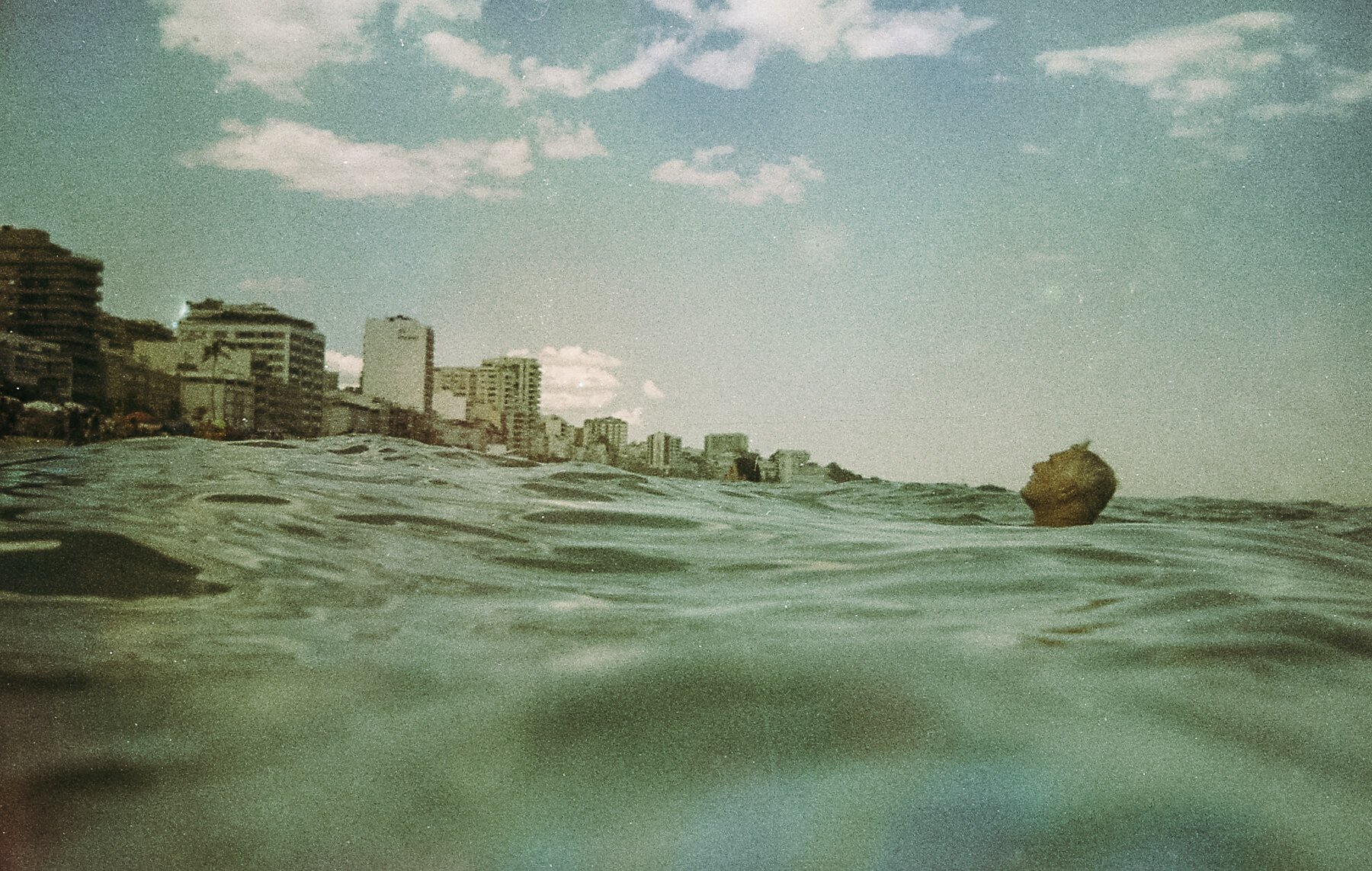
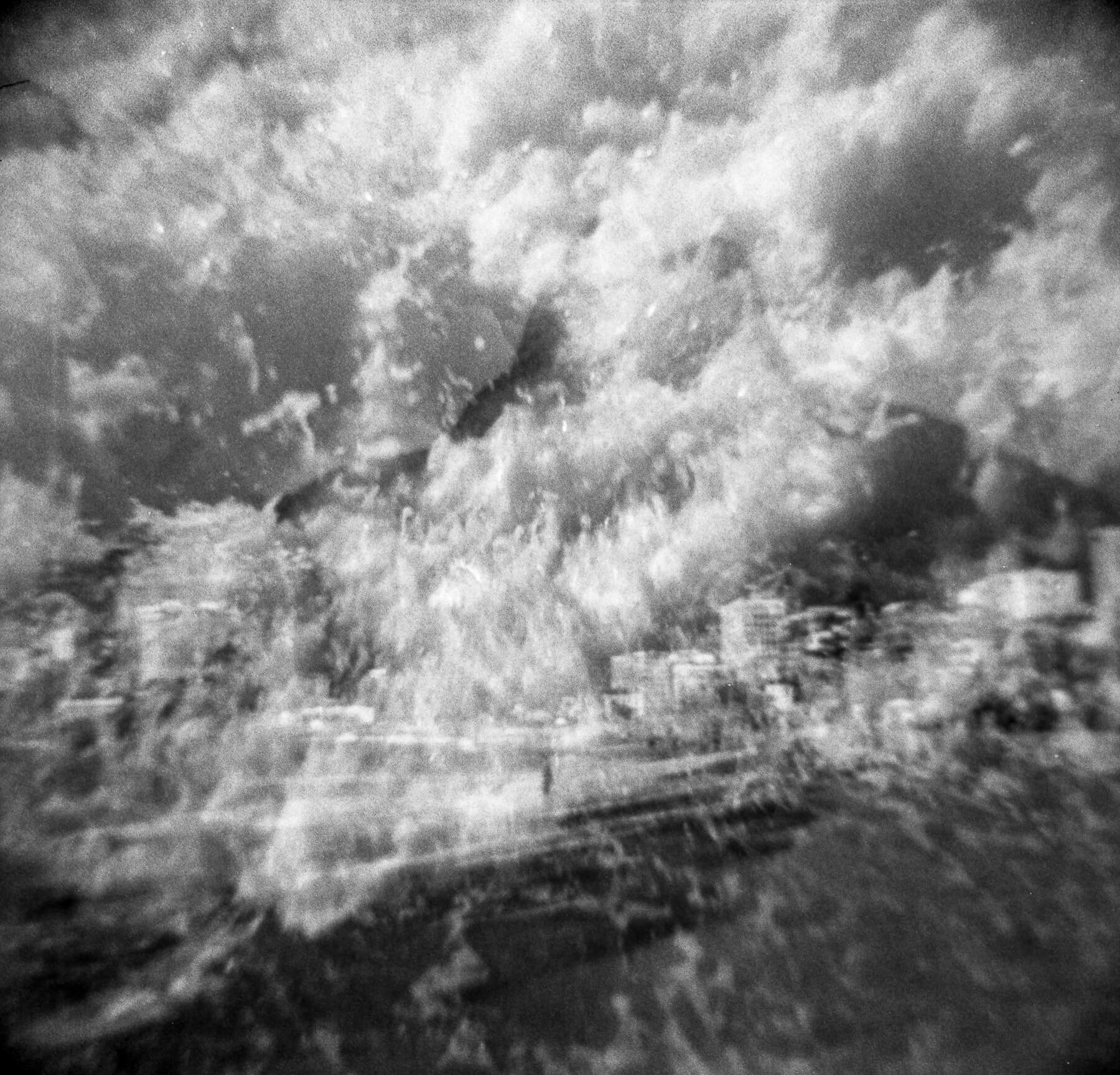
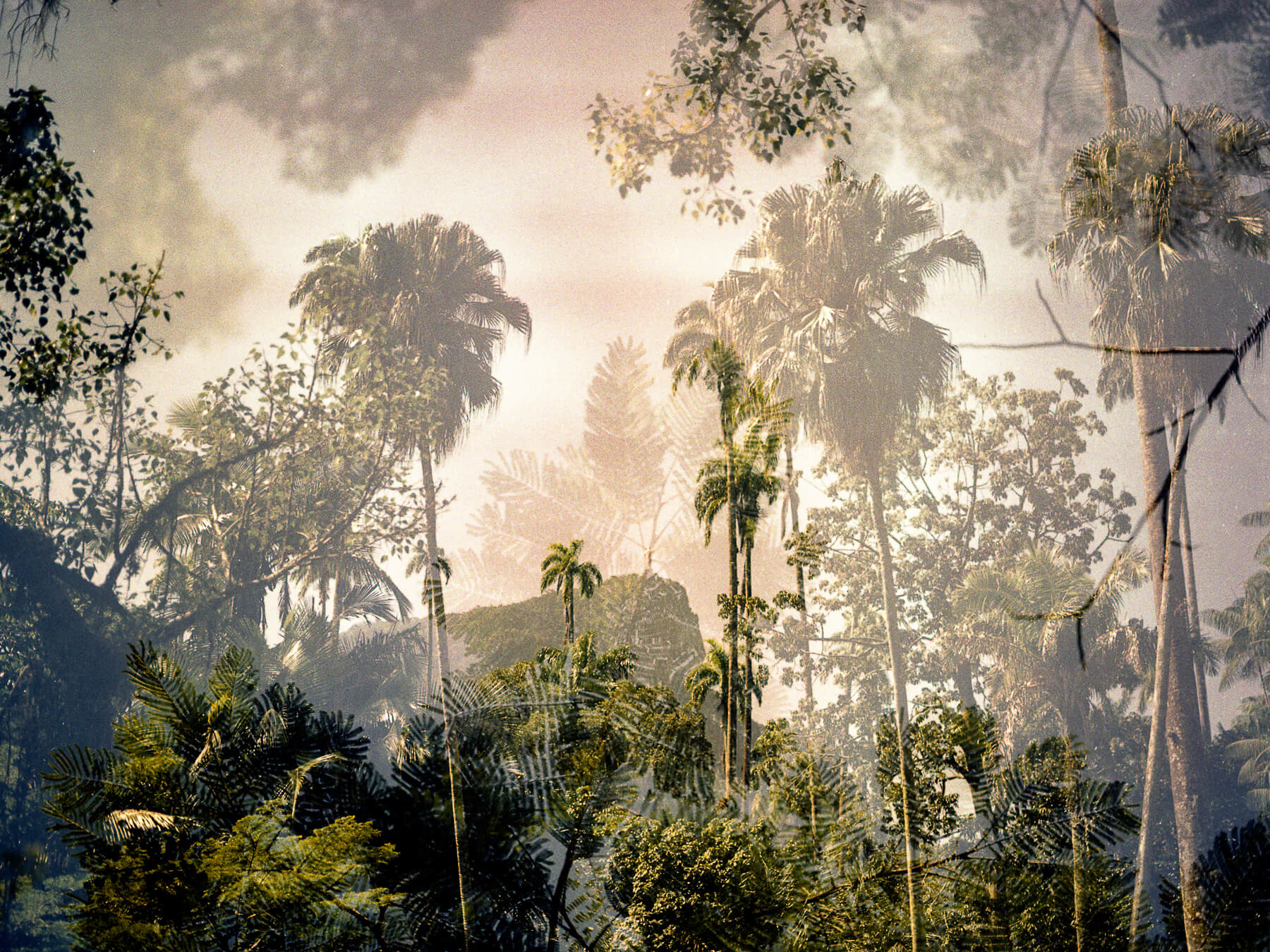
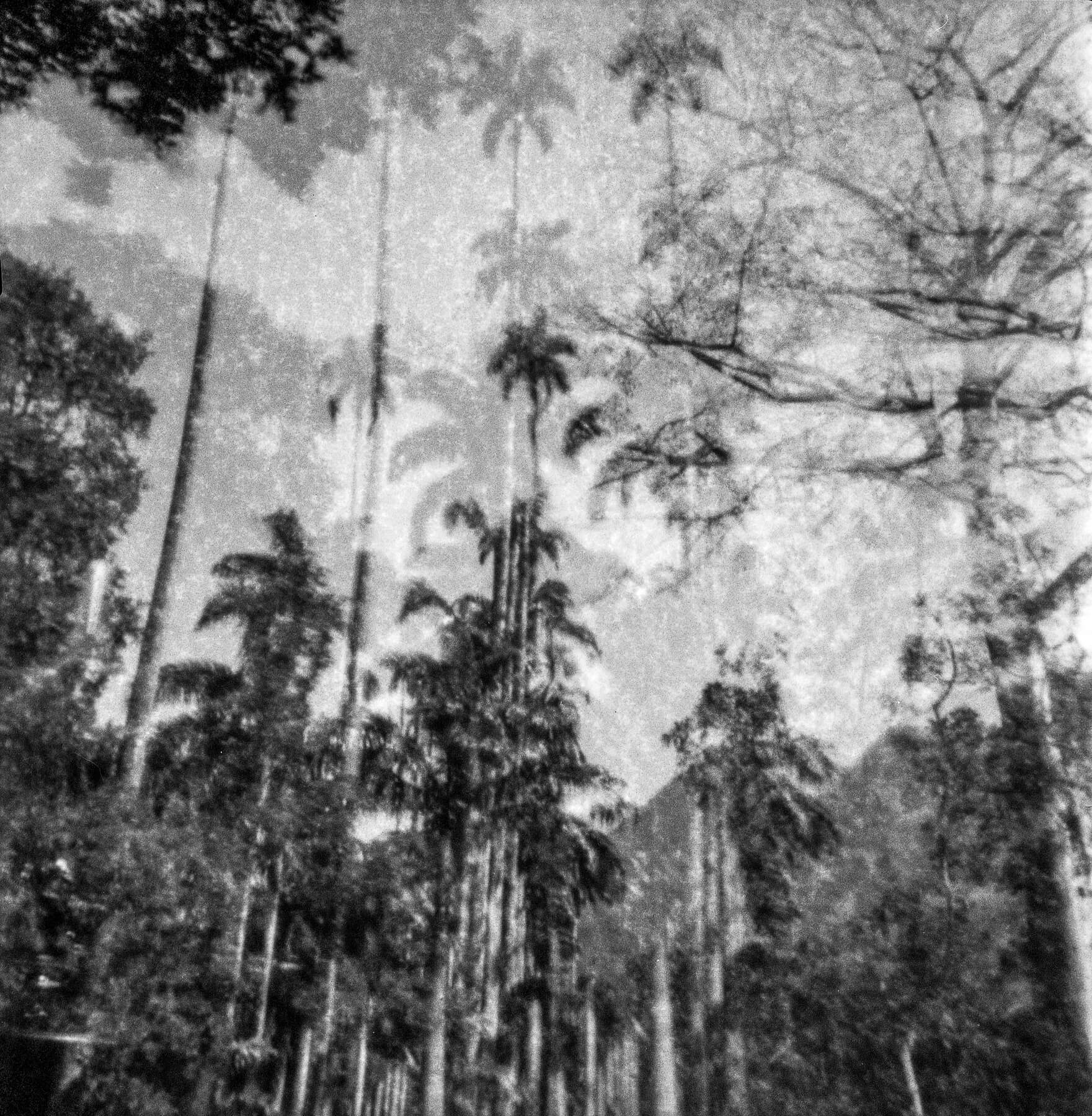
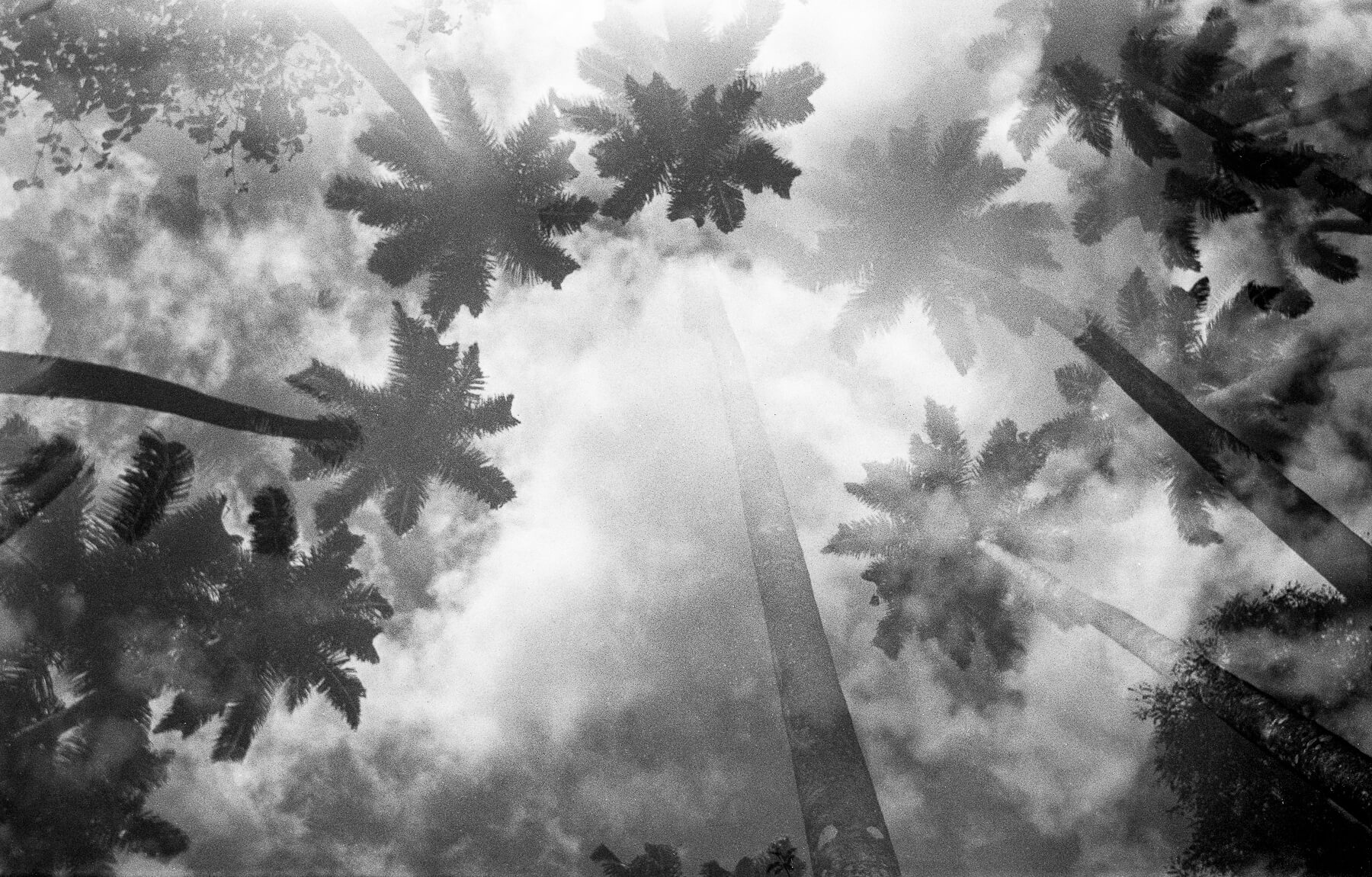
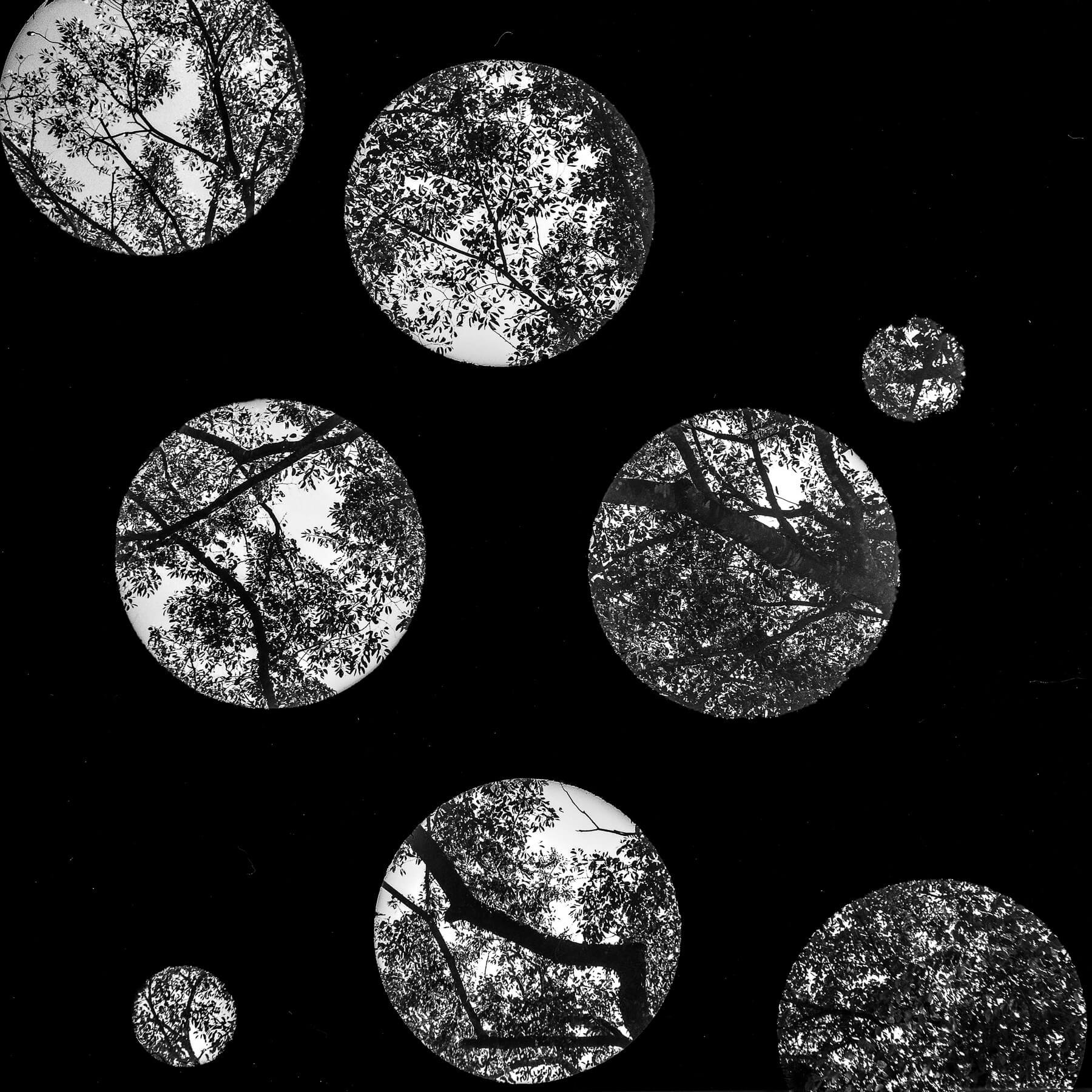
Todas as imagens que compõem a série Mutante foram produzidas com câmeras analógicas antigas e, muitas delas, com rolos de filme vencidos, que ficaram esquecidos por cerca de 15 anos.
A revelação desses negativos é feita de forma caseira, pela própria fotógrafa, lhe possibilitando experimentar, de ponta a ponta, a construção de suas imagens fotográficas.
O trabalho é uma celebração de um processo que resiste ao tempo. Todas as falhas e alterações derivadas da idade de todo o material trazem para o trabalho uma dimensão de vida. Tudo que aqui está é real, palpável, e, como todos nós, MUTANTE.
All images in the Mutant series were produced with vintage analog cameras and, in many cases, with expired film rolls forgotten for around 15 years.
The negatives are developed at home by the photographer herself, allowing her to experiment with the entire construction of her photographic images from end to end.
The work is a celebration of a process that resists time. All failures and alterations derived from the age of the materials bring a dimension of life to the work. Everything here is real, tangible, and, like all of us, MUTANT.
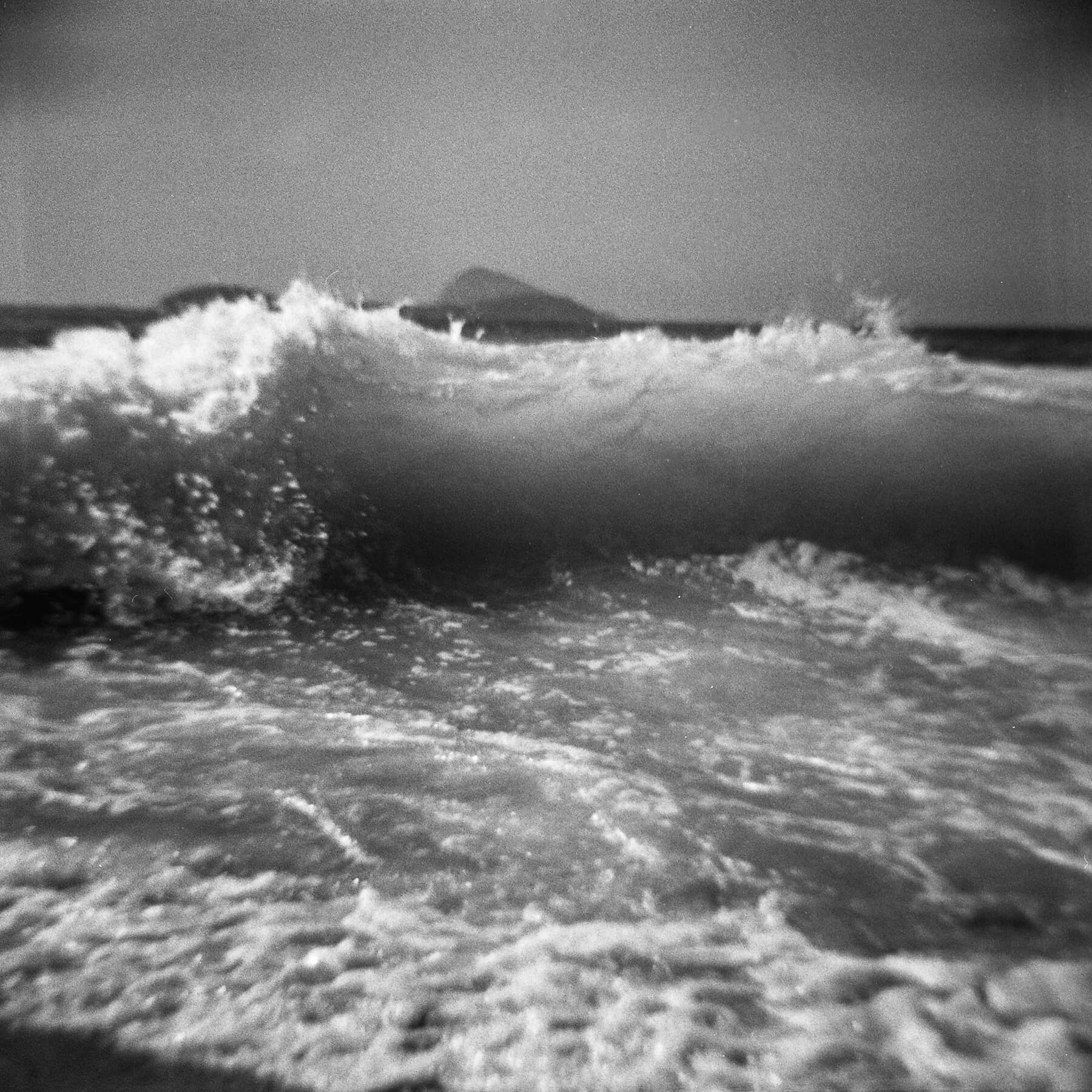
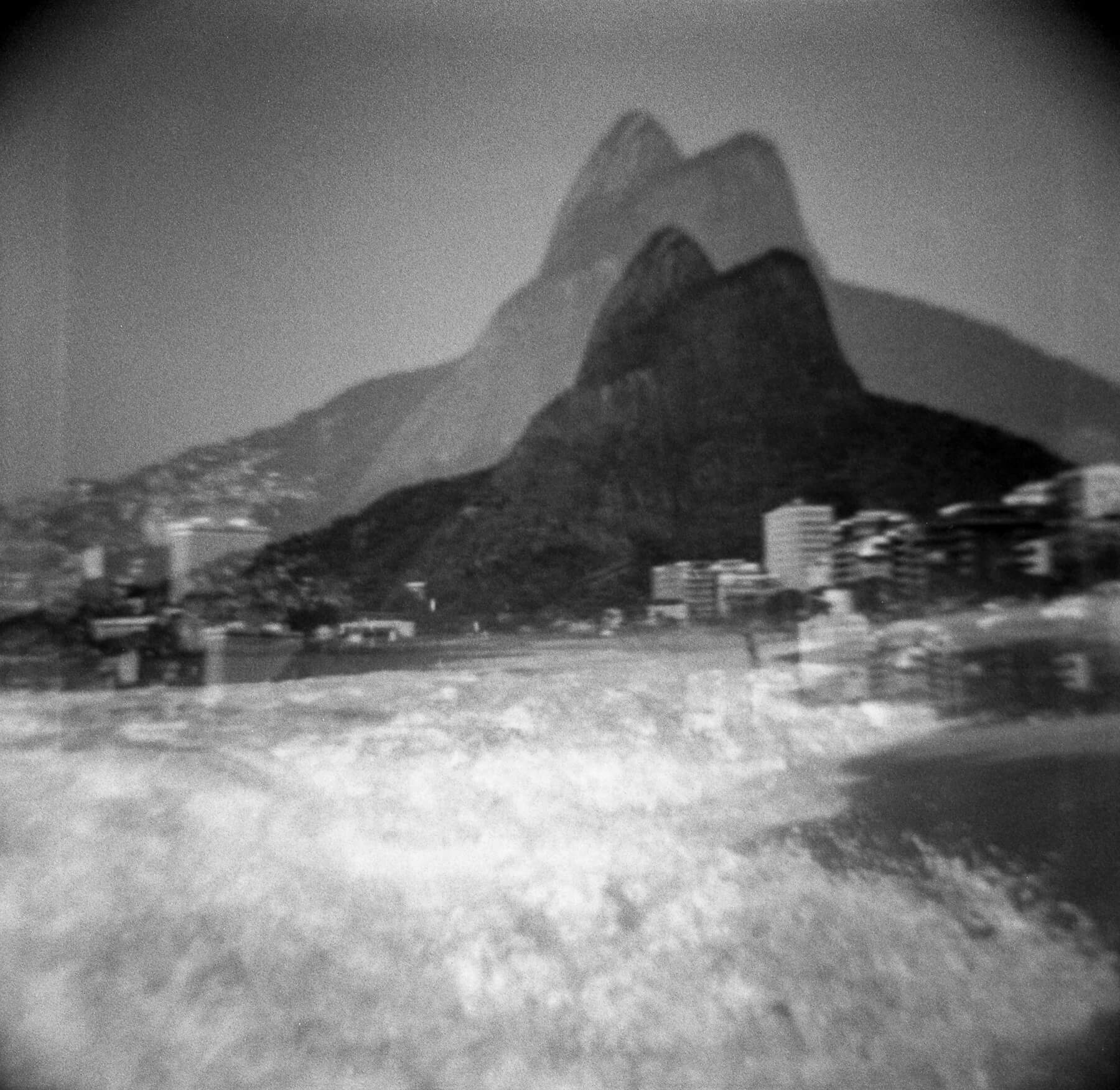
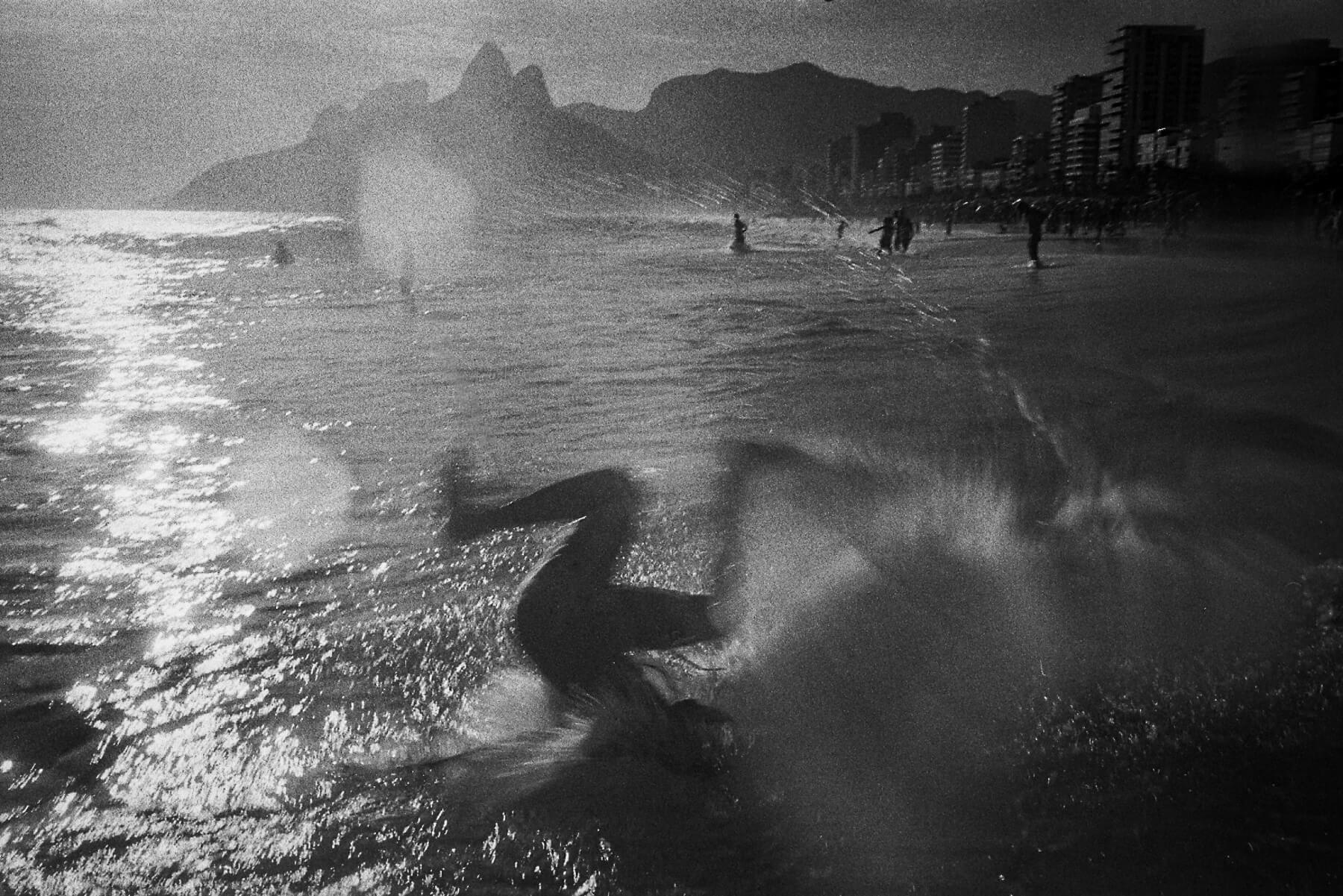
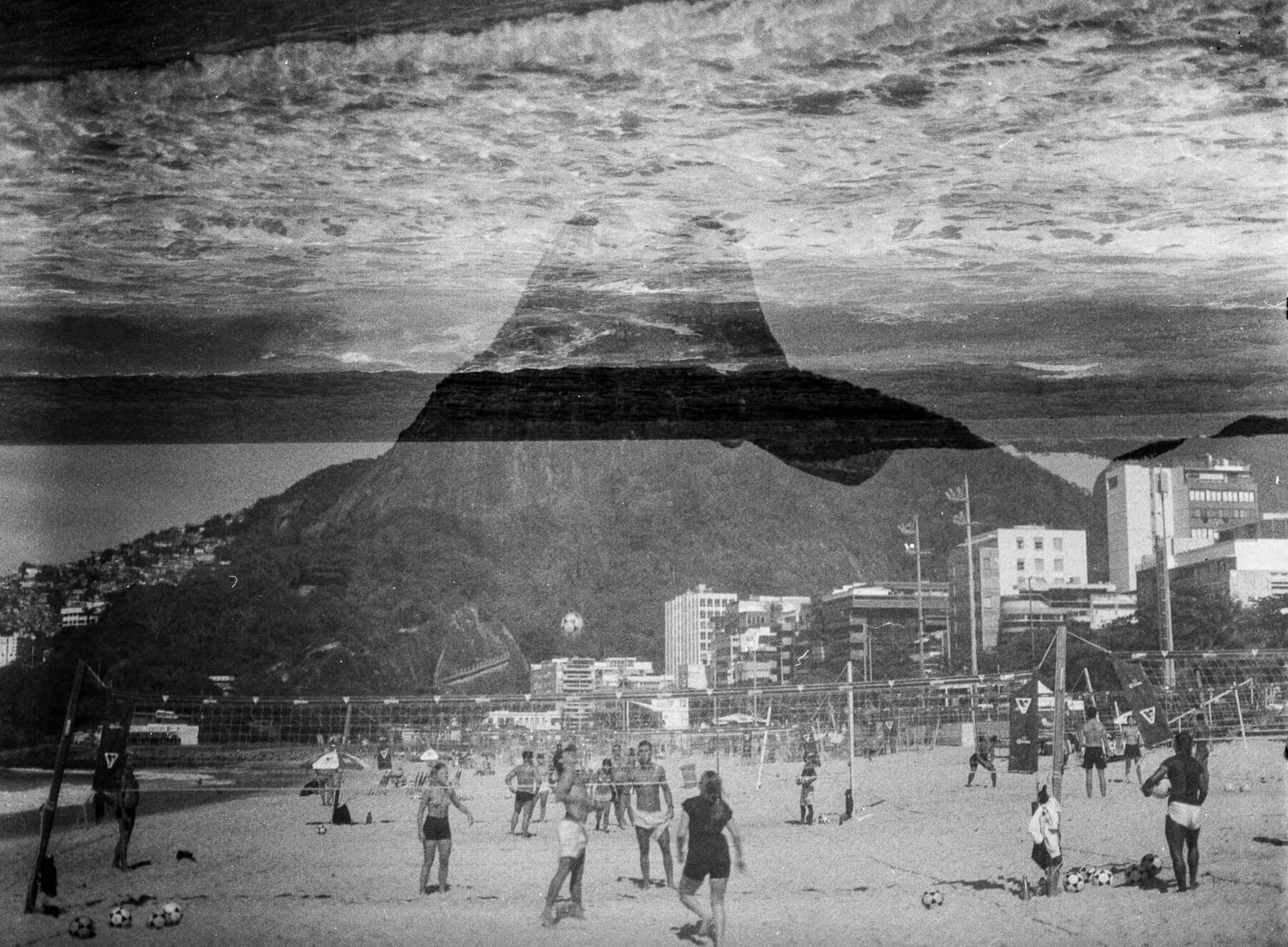
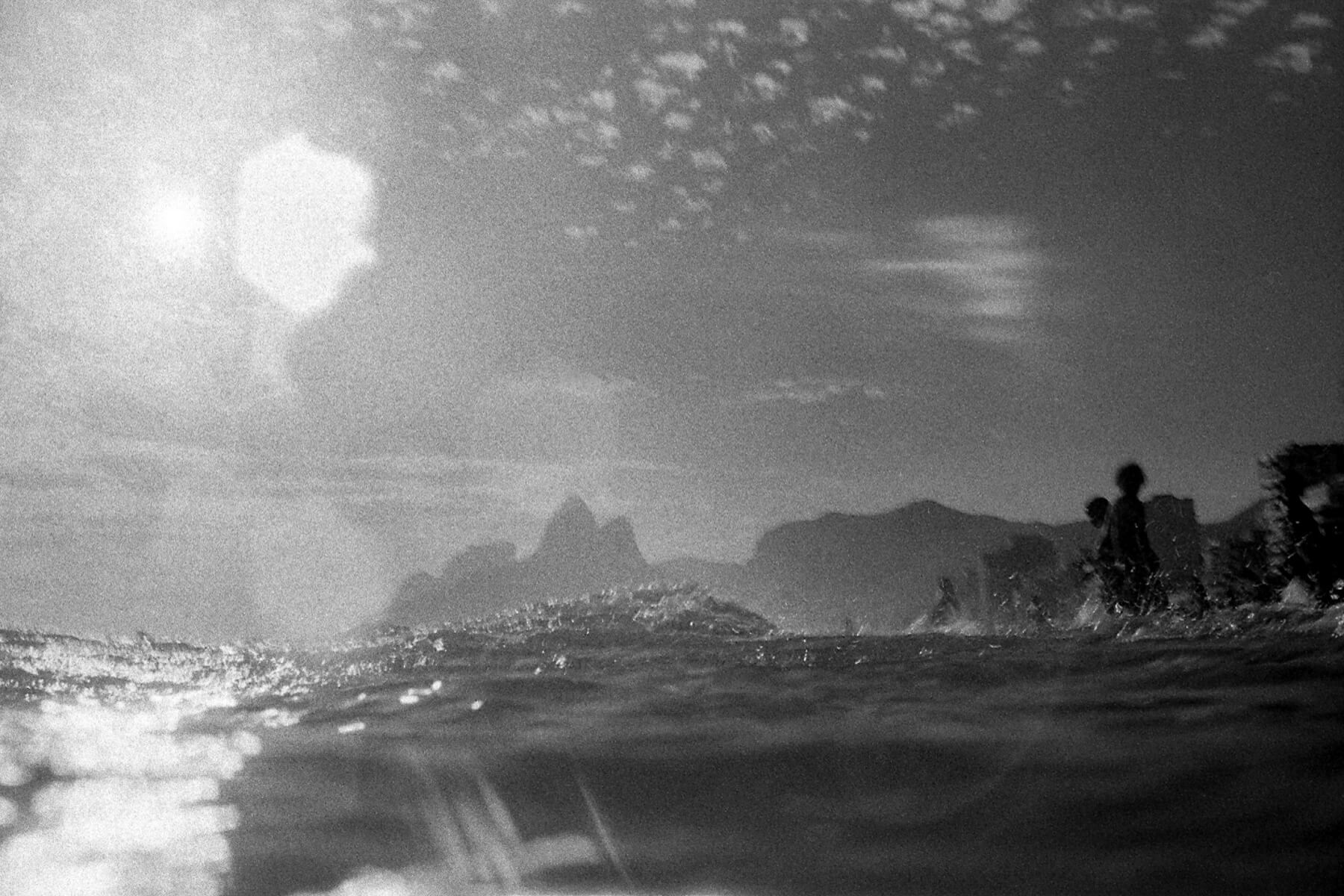
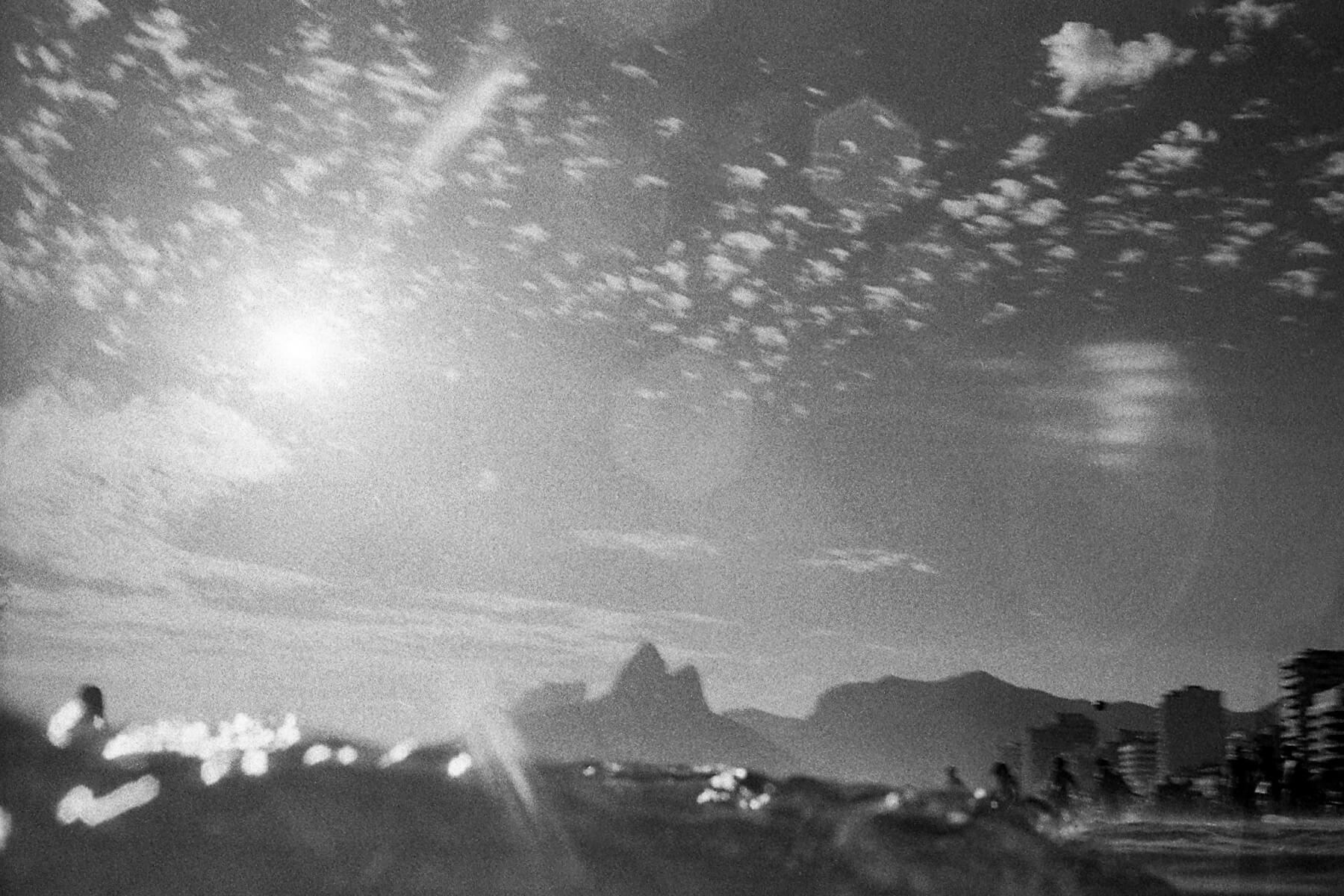
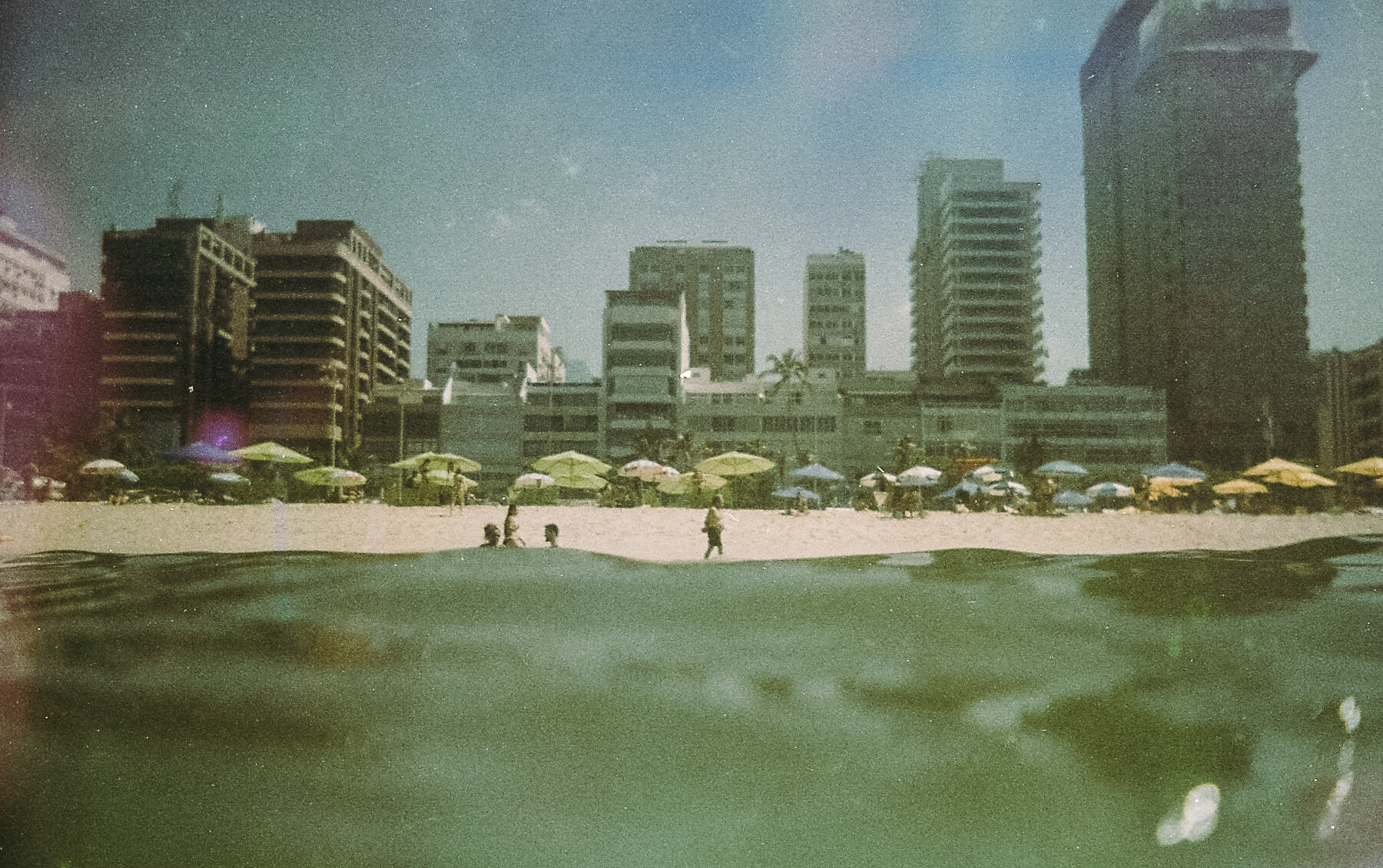
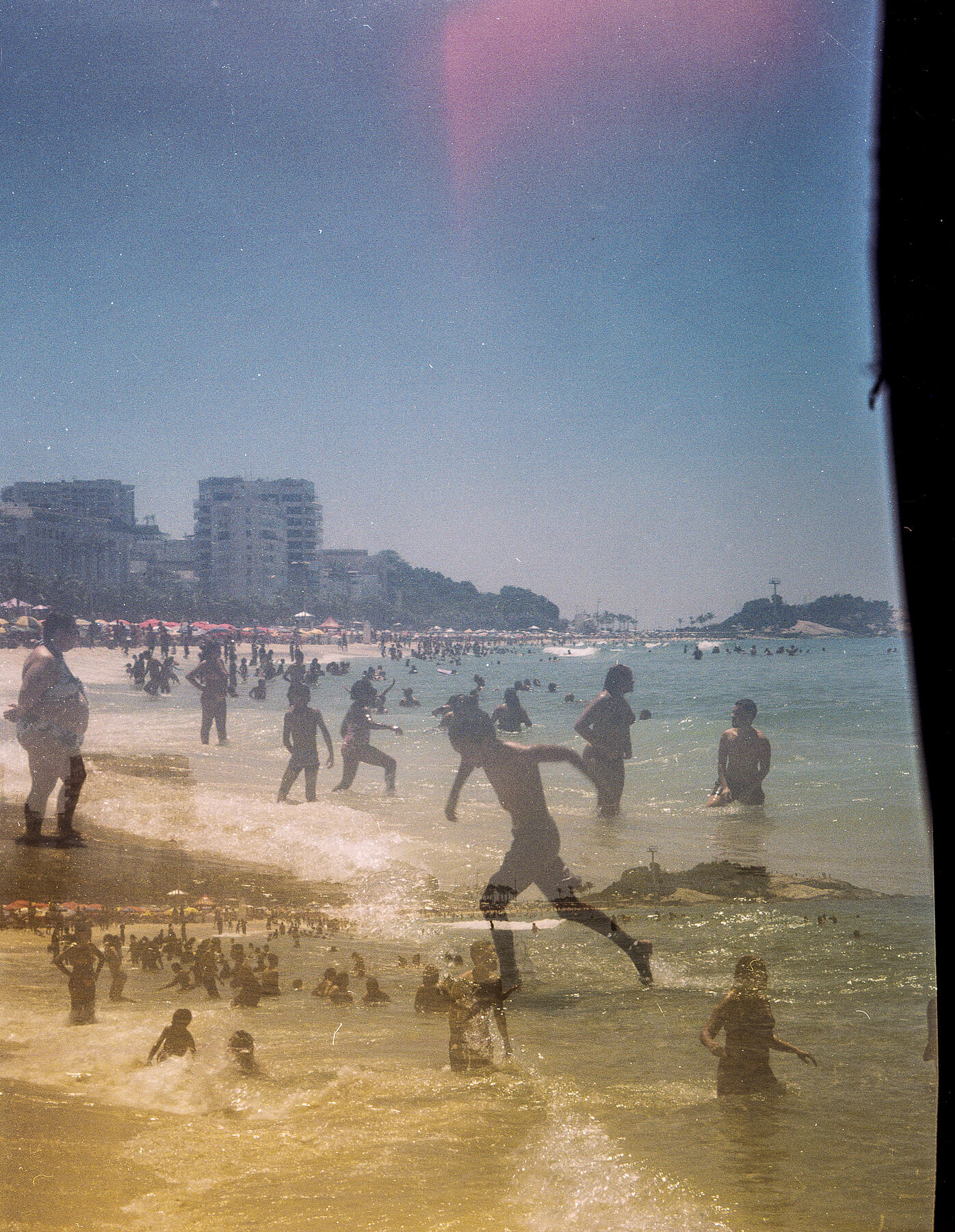
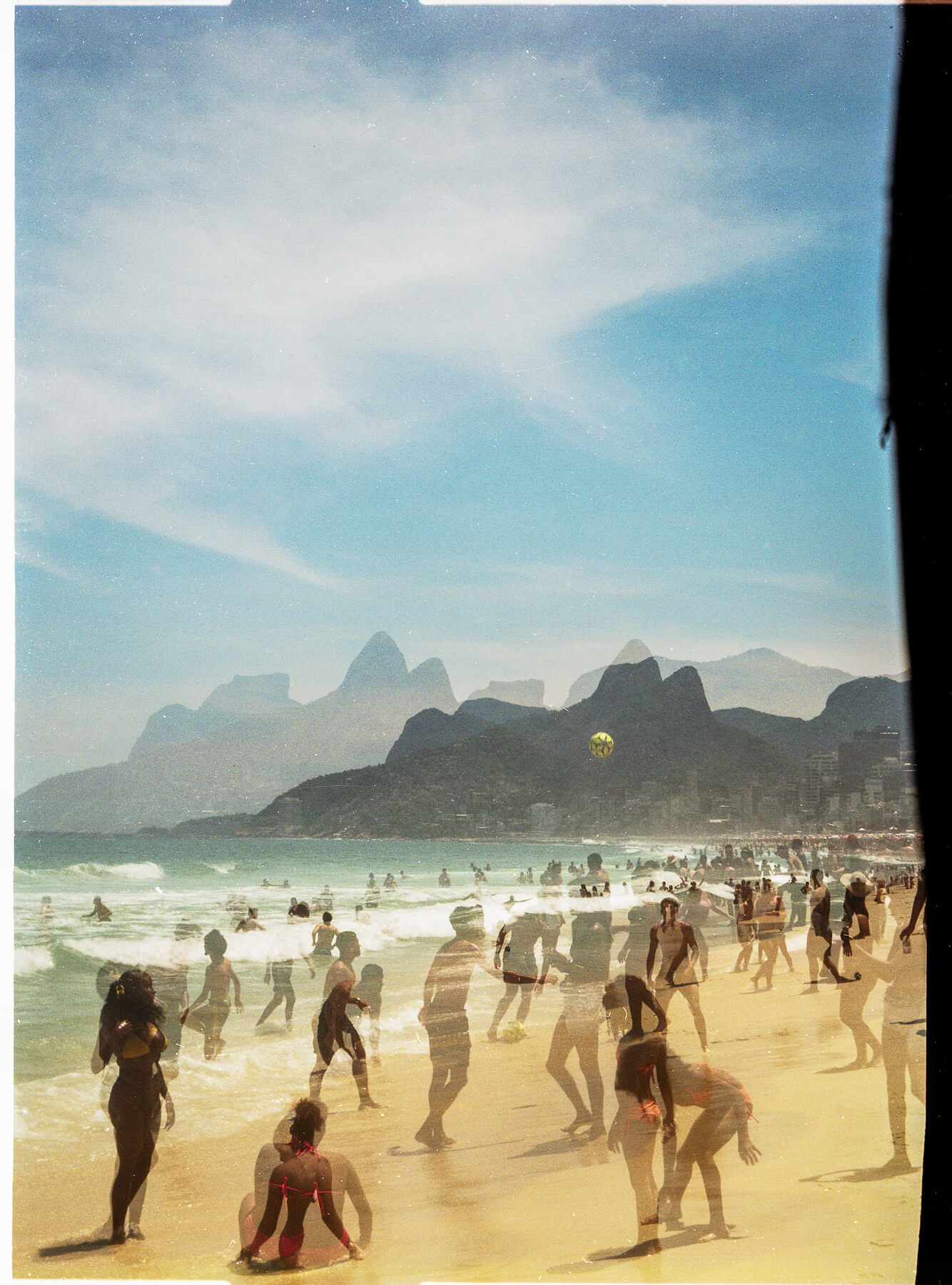
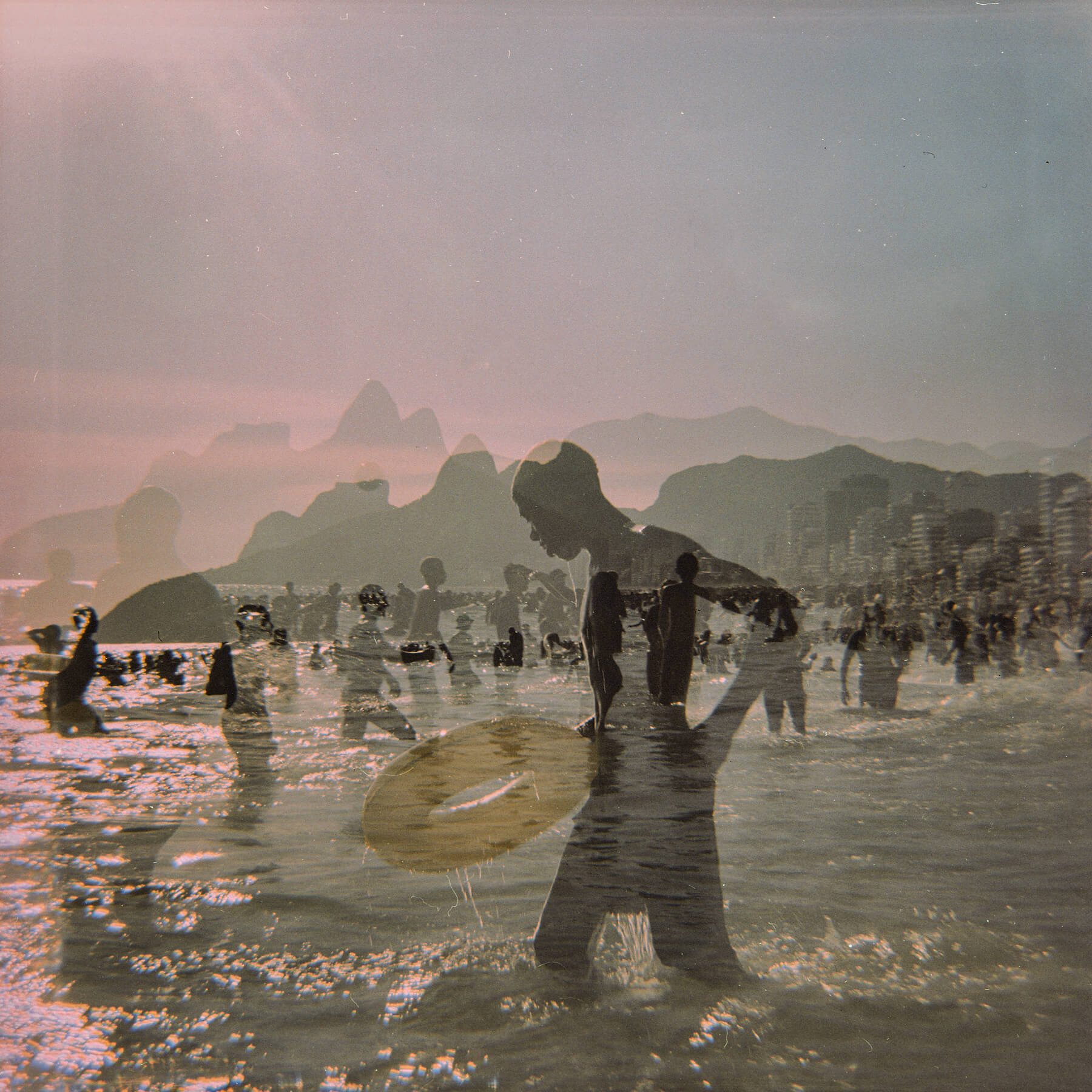
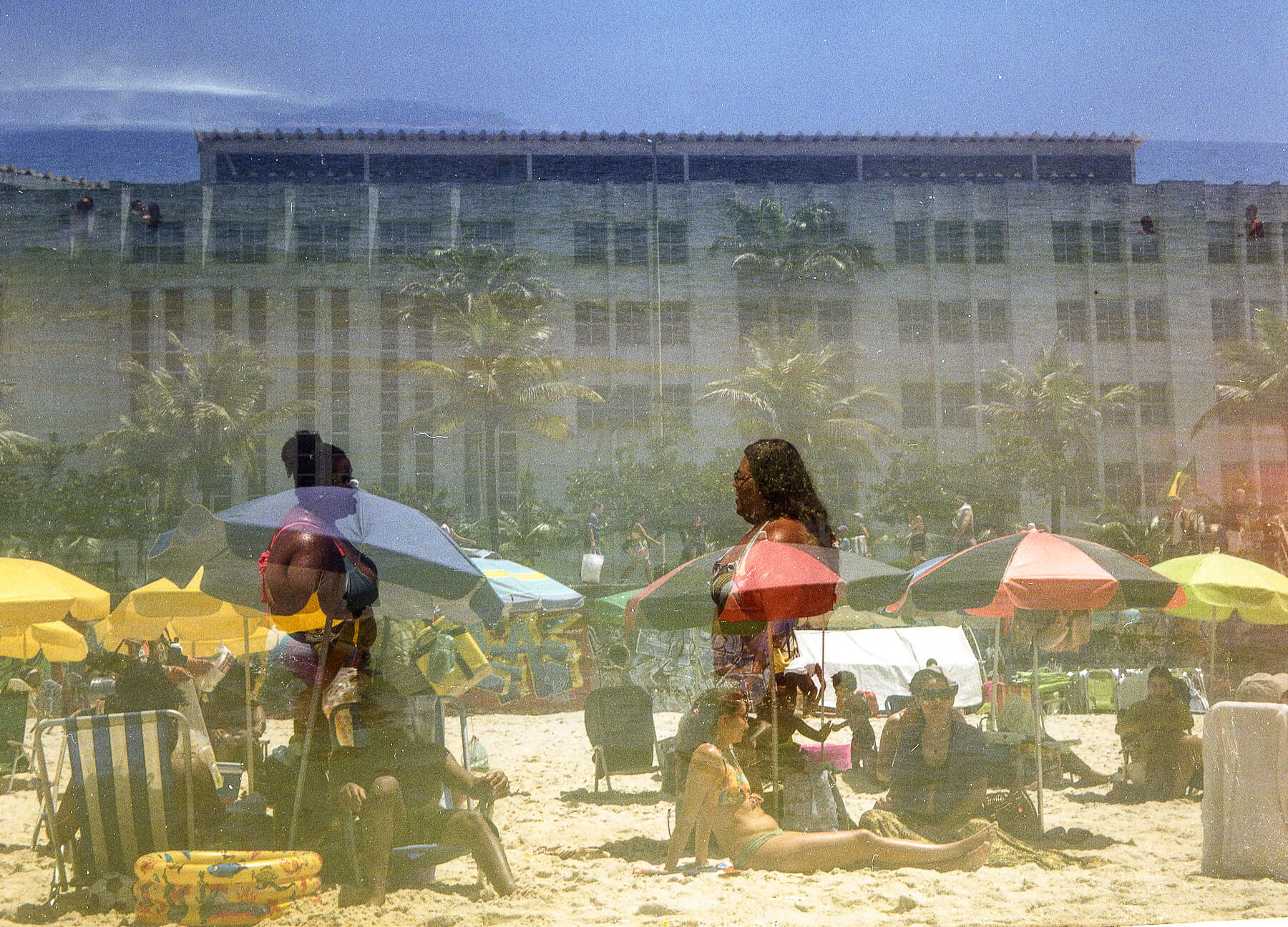
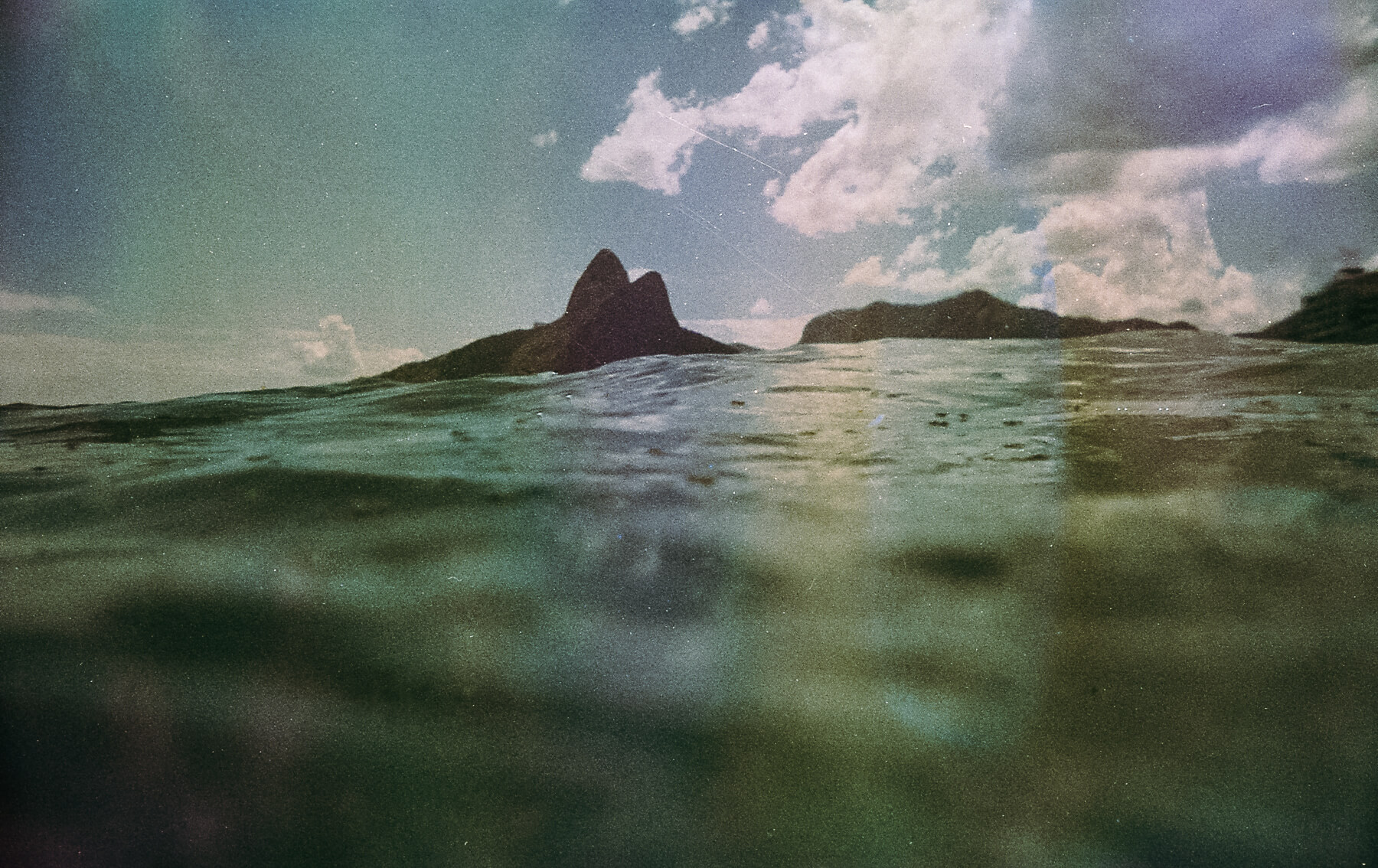
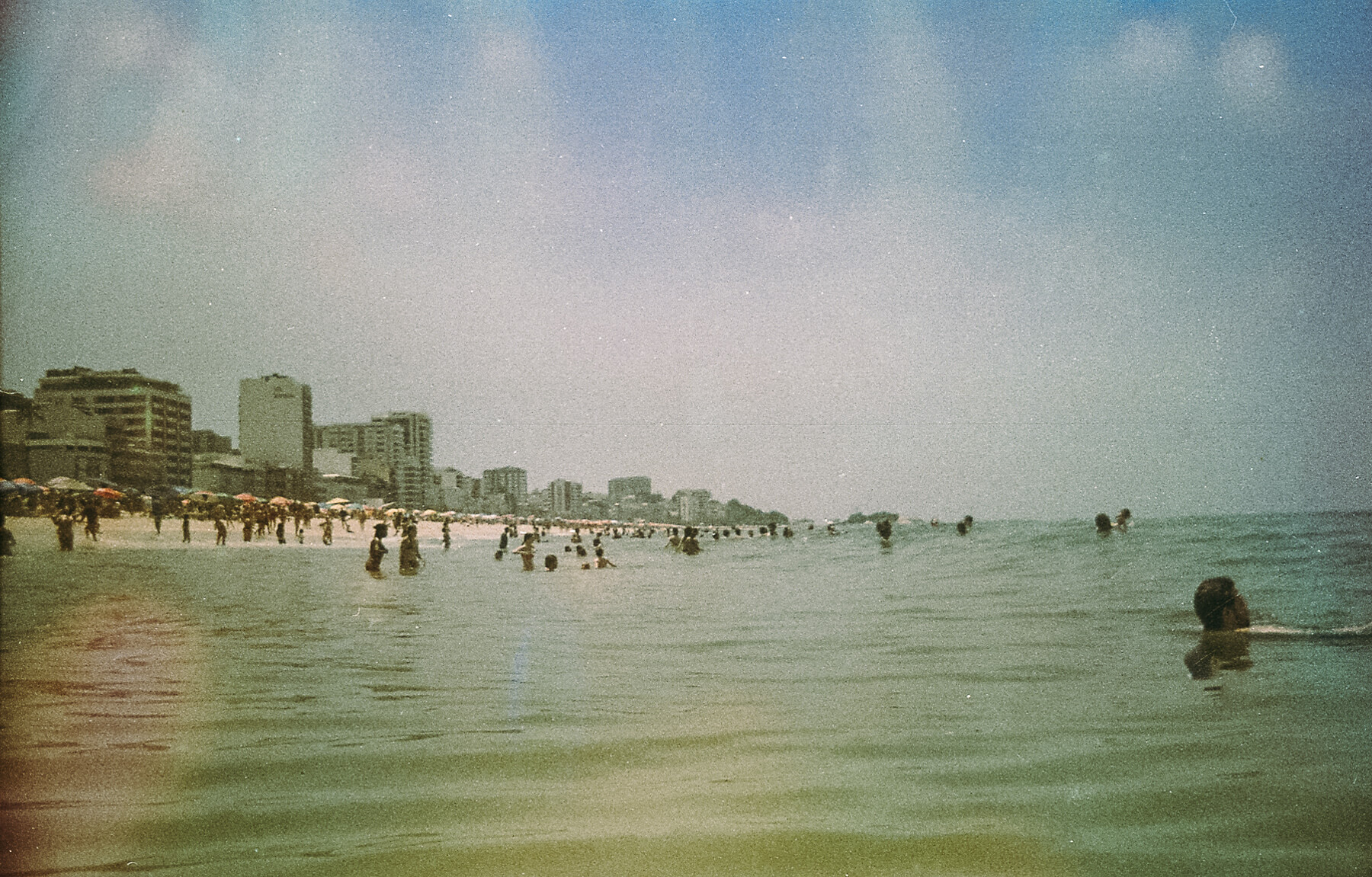
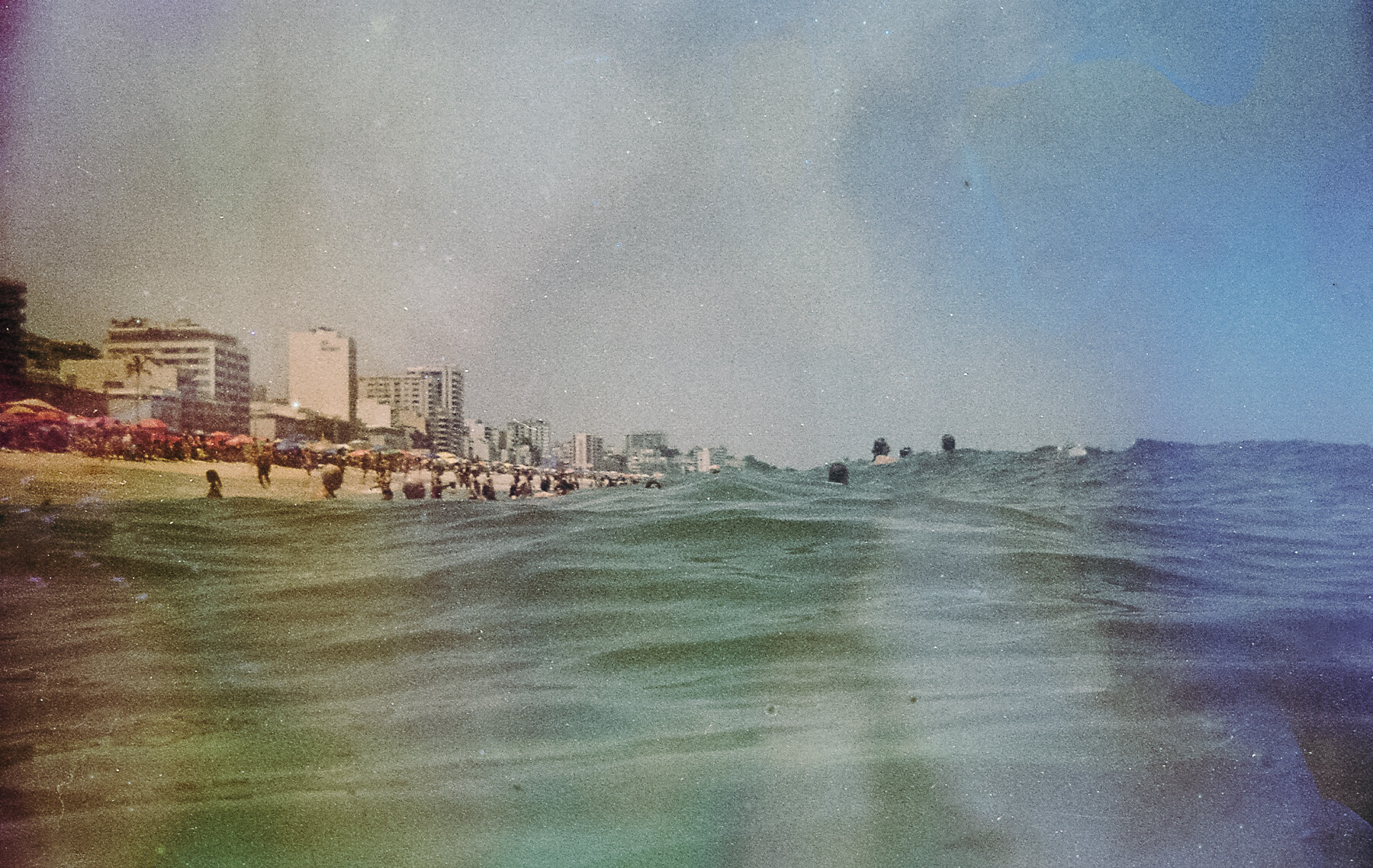
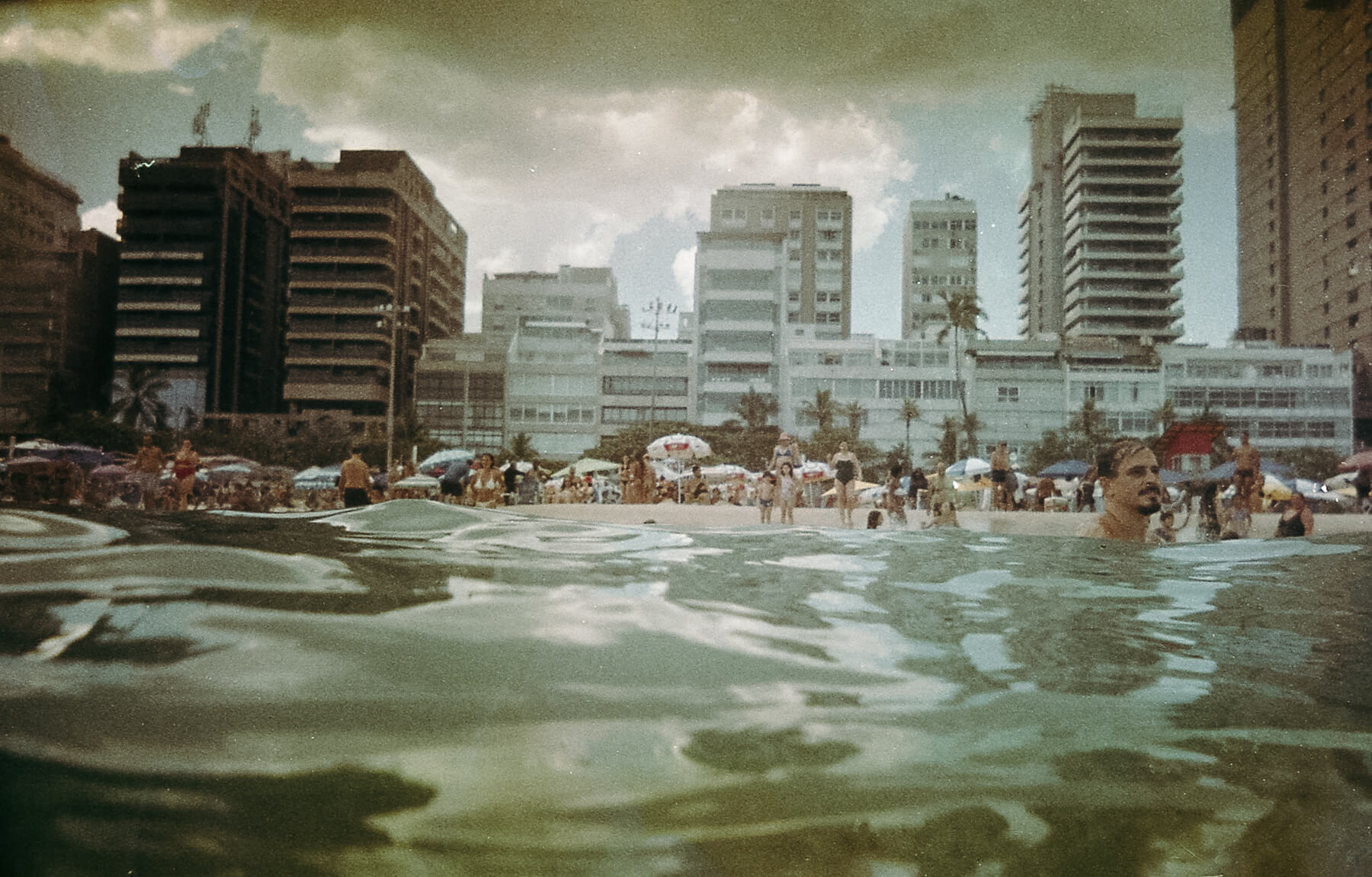
Só no Rio é uma série que investiga o que significa ser carioca a partir da ocupação do espaço público. Entre a praia e o verão, as imagens falam de convivência, corpo, improviso e celebração em espaços absolutamente democráticos.
As fotografias foram realizadas com câmeras analógicas antigas, sem pré-visualização e reveladas de forma caseira. O processo lento e impreciso faz parte da construção das imagens, incorporando o erro, o acaso e a passagem do tempo como linguagem.
Mais do que representar o Rio de Janeiro, a série busca registrar um modo de estar: coletivo, intenso e efêmero.
Só no Rio investigates what it means to be carioca through the occupation of public space. Between the beach and summer, the images speak of coexistence, body, improvisation, and celebration in absolutely democratic spaces.
The photographs were made with vintage analog cameras, without pre-visualization, and developed at home. The slow, imprecise process is part of the construction of the images, incorporating error, chance, and the passage of time as language.
More than representing Rio de Janeiro, the series seeks to capture a way of being: collective, intense, and ephemeral.
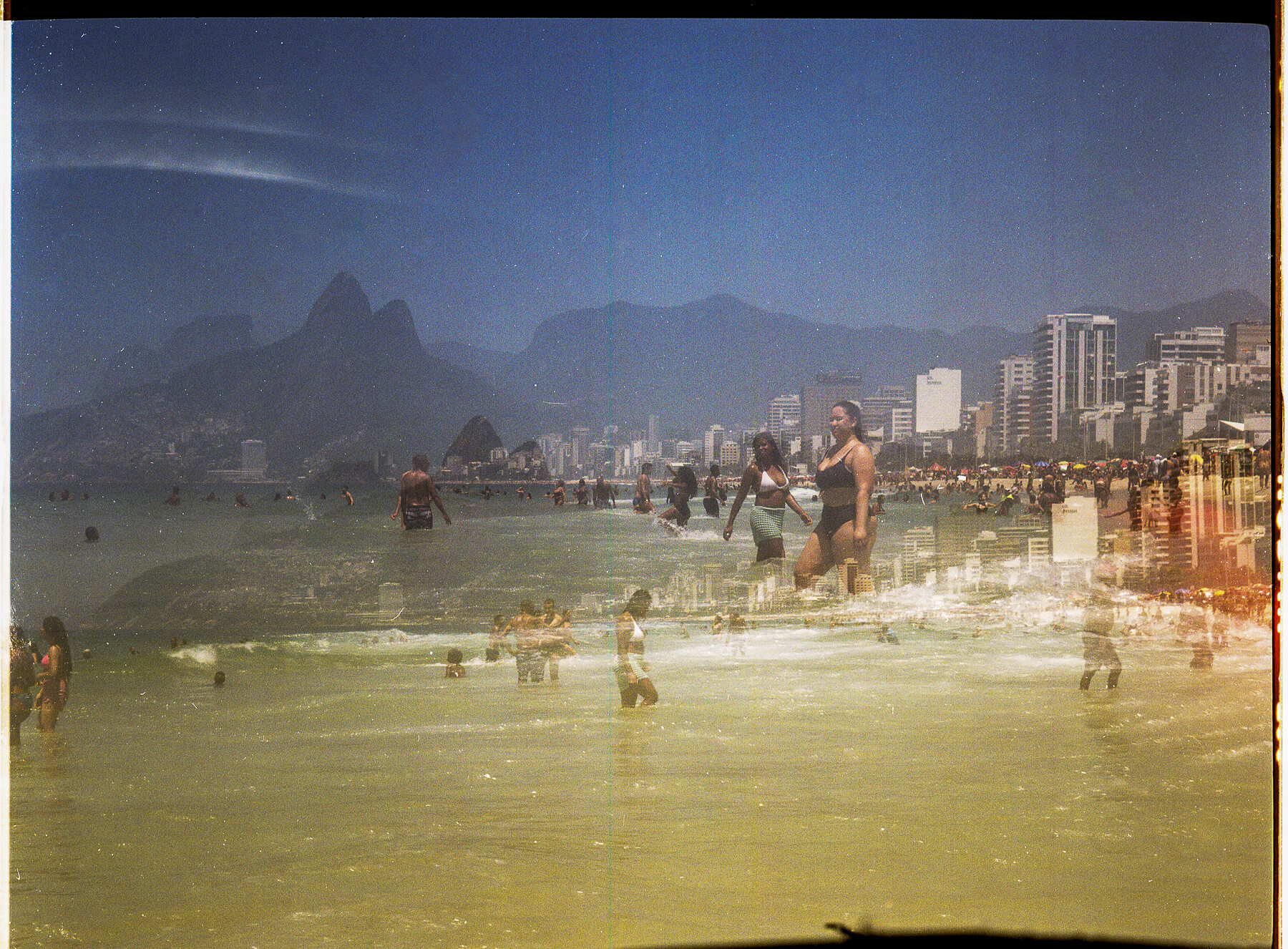
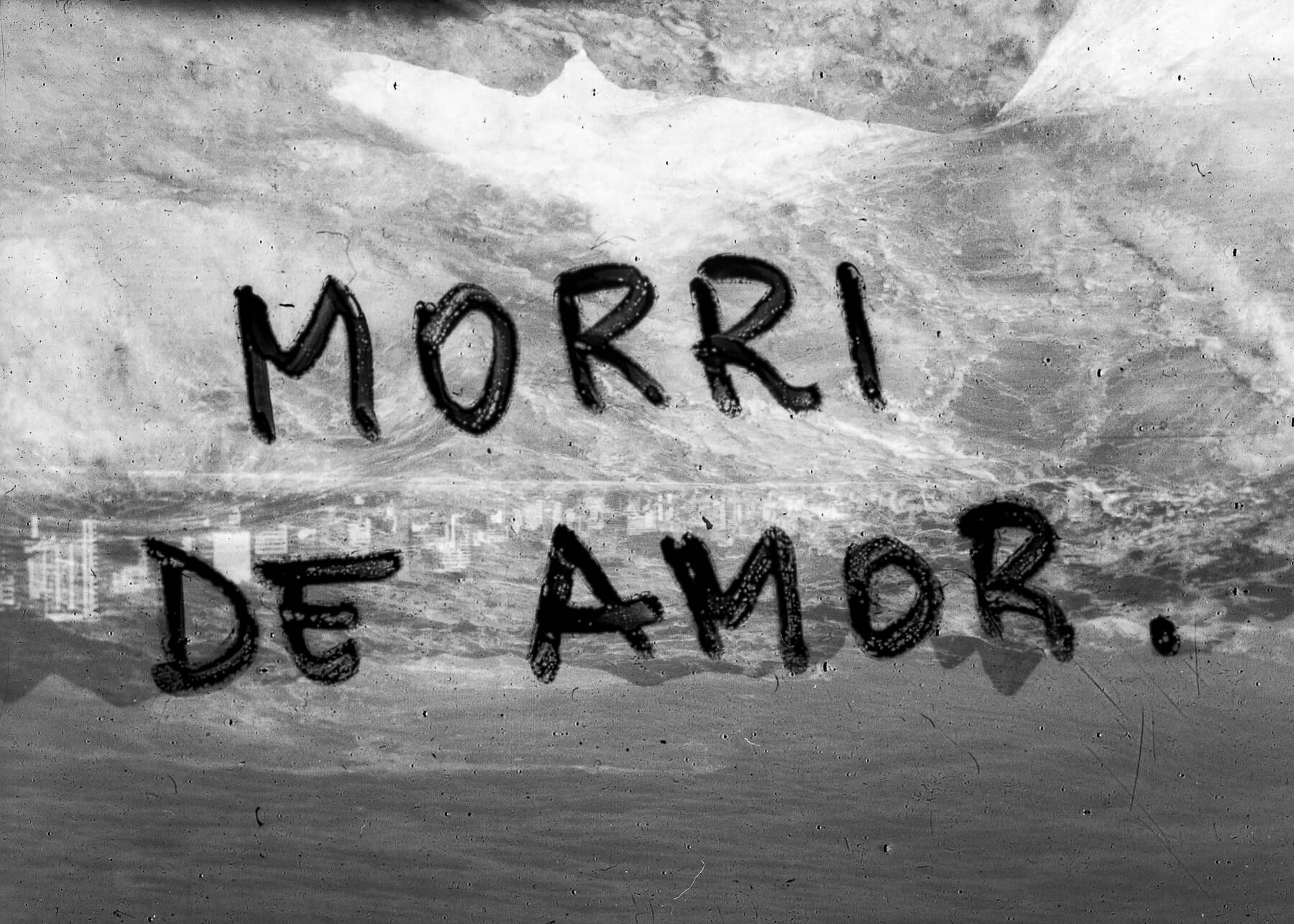
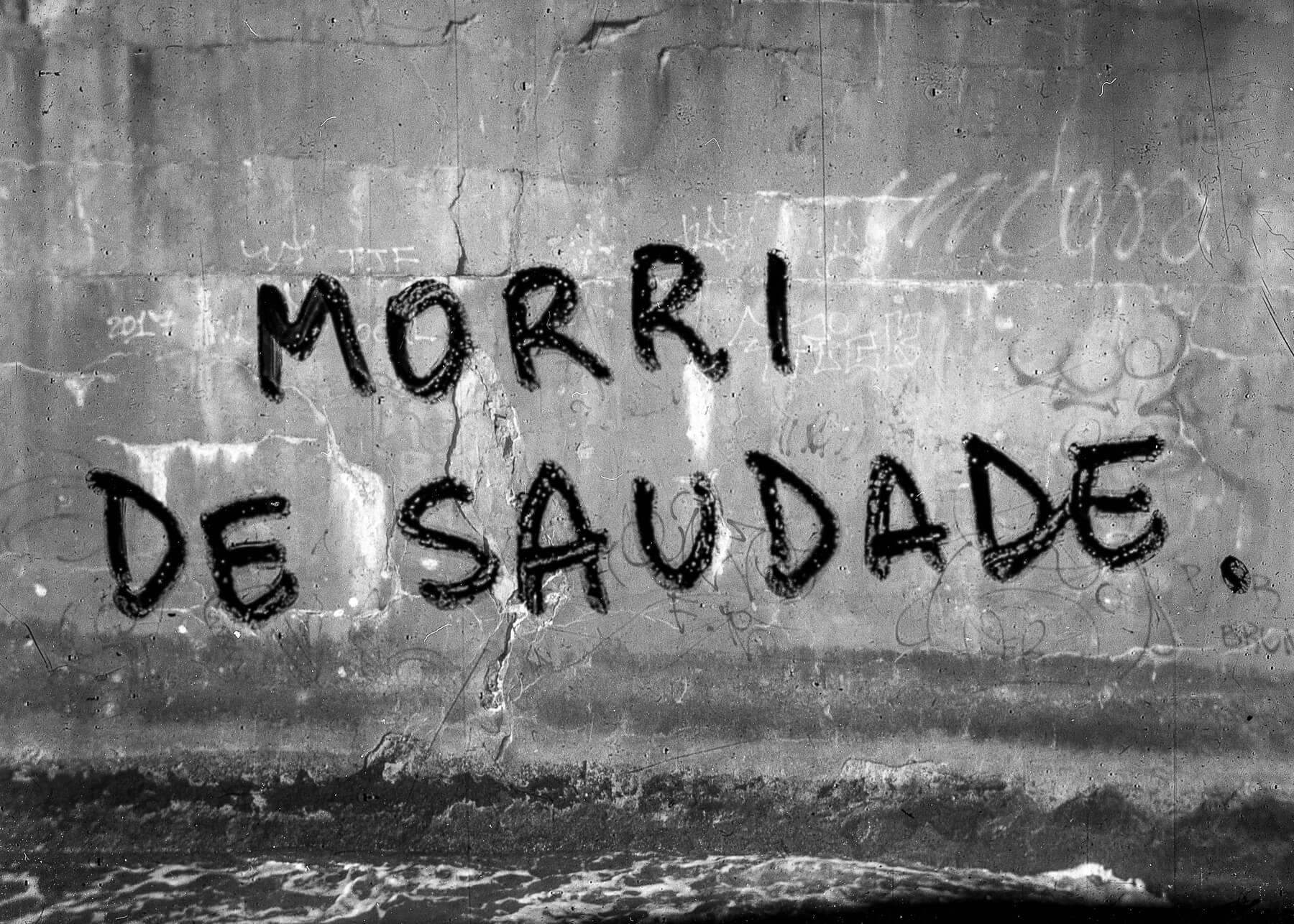
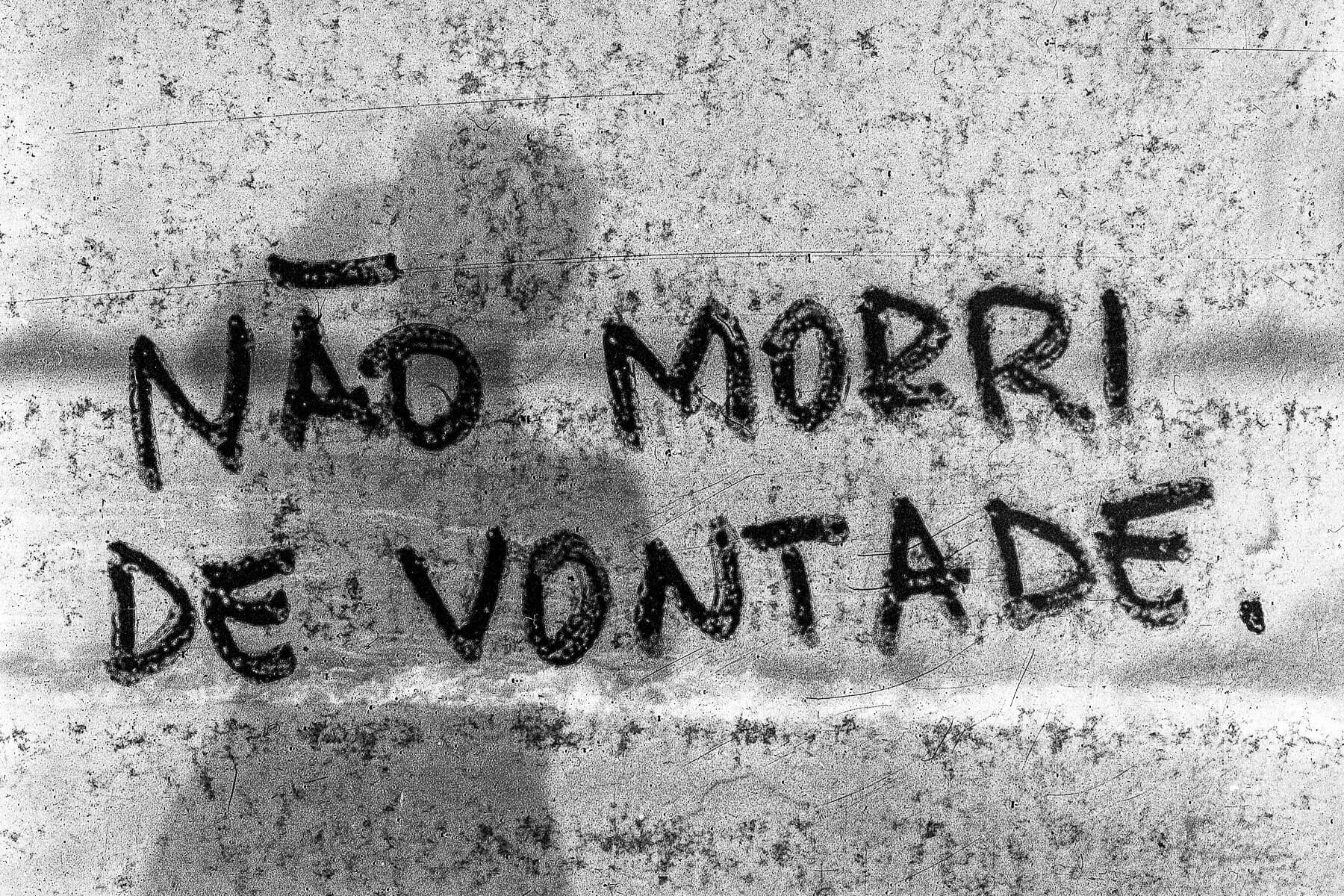
“Morri de amor, morri de saudade, mas não morri de vontade.”
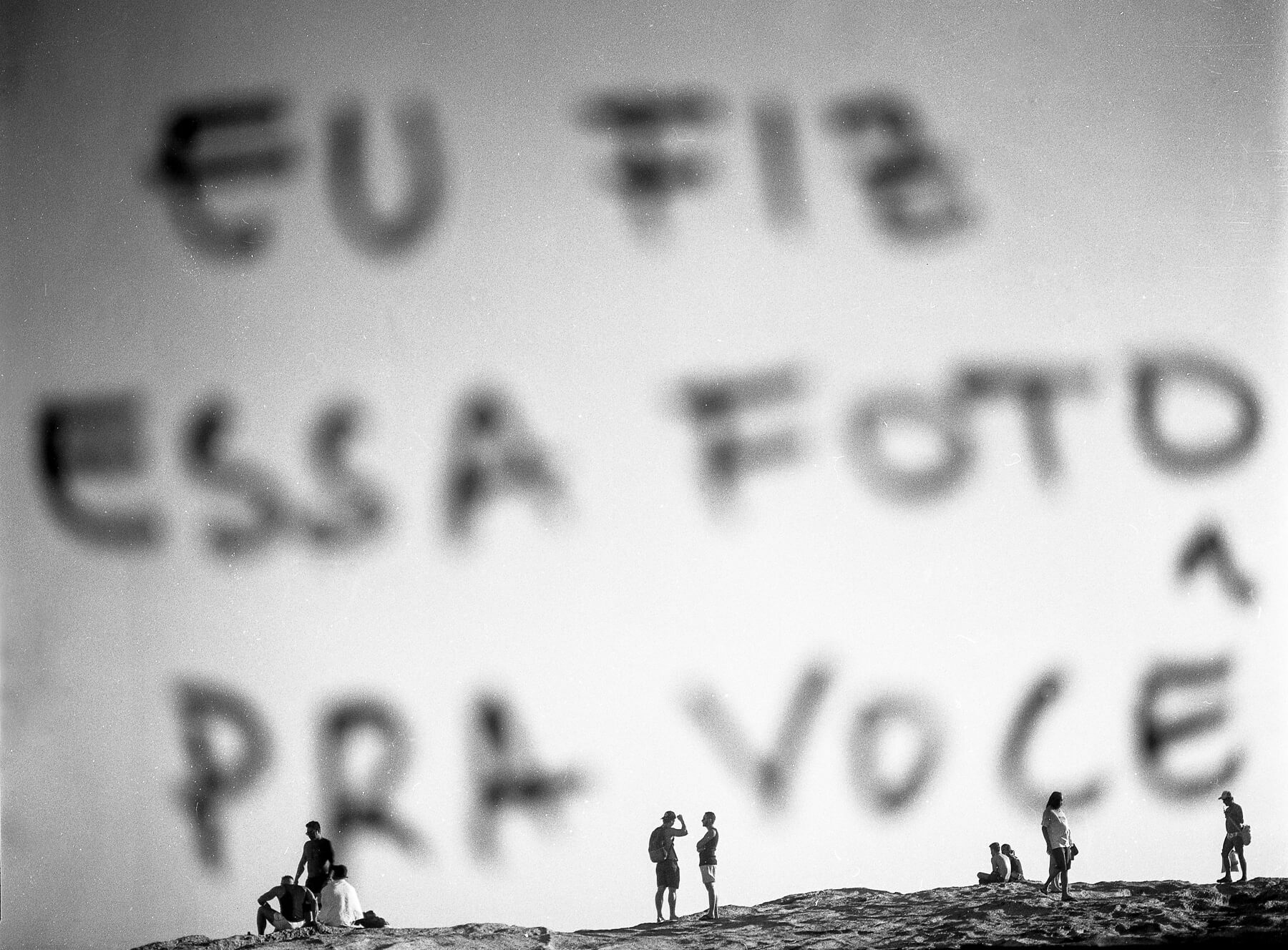
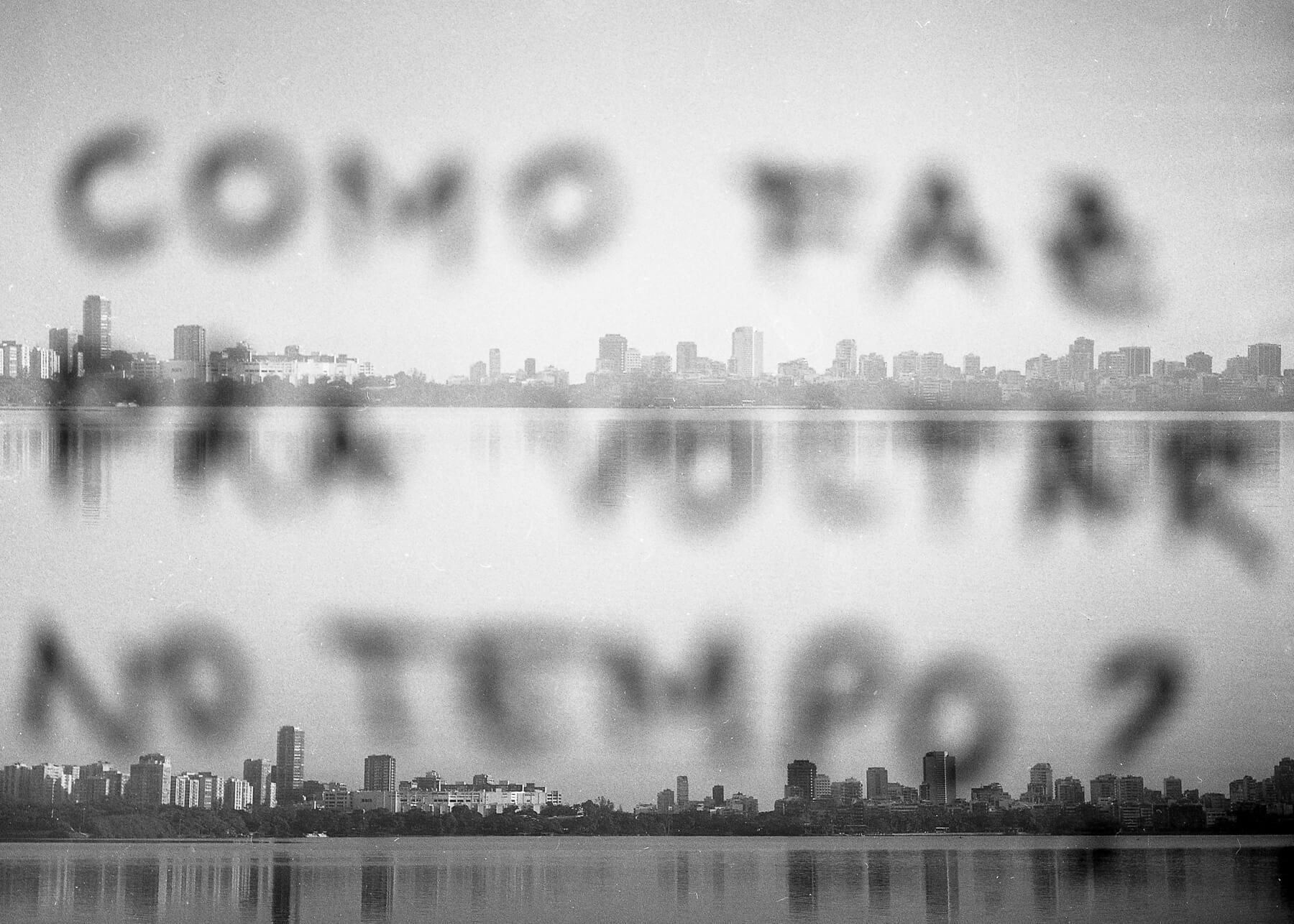
Cartas ao Mar nasce dessa urgência de se manifestar. De um desejo persistente de expressão que encontra na fotografia um lugar possível, que vai além do registro e encontra a invenção.
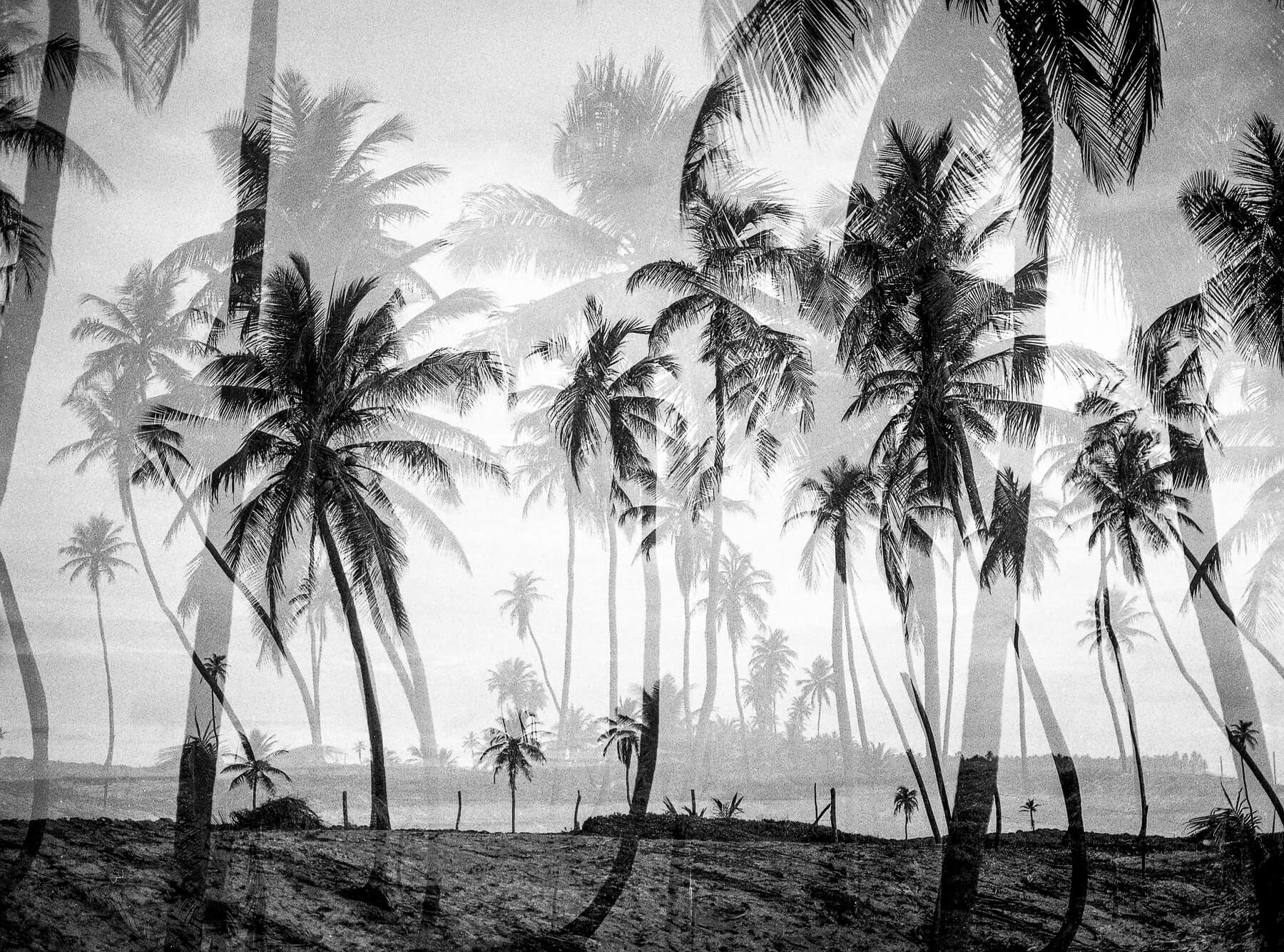
Aqui a artista interfere no processo analógico: escreve dentro da câmera, sobrepõe tempos, criando múltiplas exposições que se costuram como manifestos. O mar aparece como destino simbólico dessas cartas.
“I died of love, I died of longing, but I did not die of desire.”
Cartas ao Mar (Letters to the Sea) is born from this urgency to express oneself. From a persistent desire for expression that finds in photography a possible place — one that goes beyond documentation and finds invention.
Here the artist intervenes in the analog process: writes inside the camera, overlaps time, creating multiple exposures that stitch together like manifestos. The sea appears as their symbolic destination.
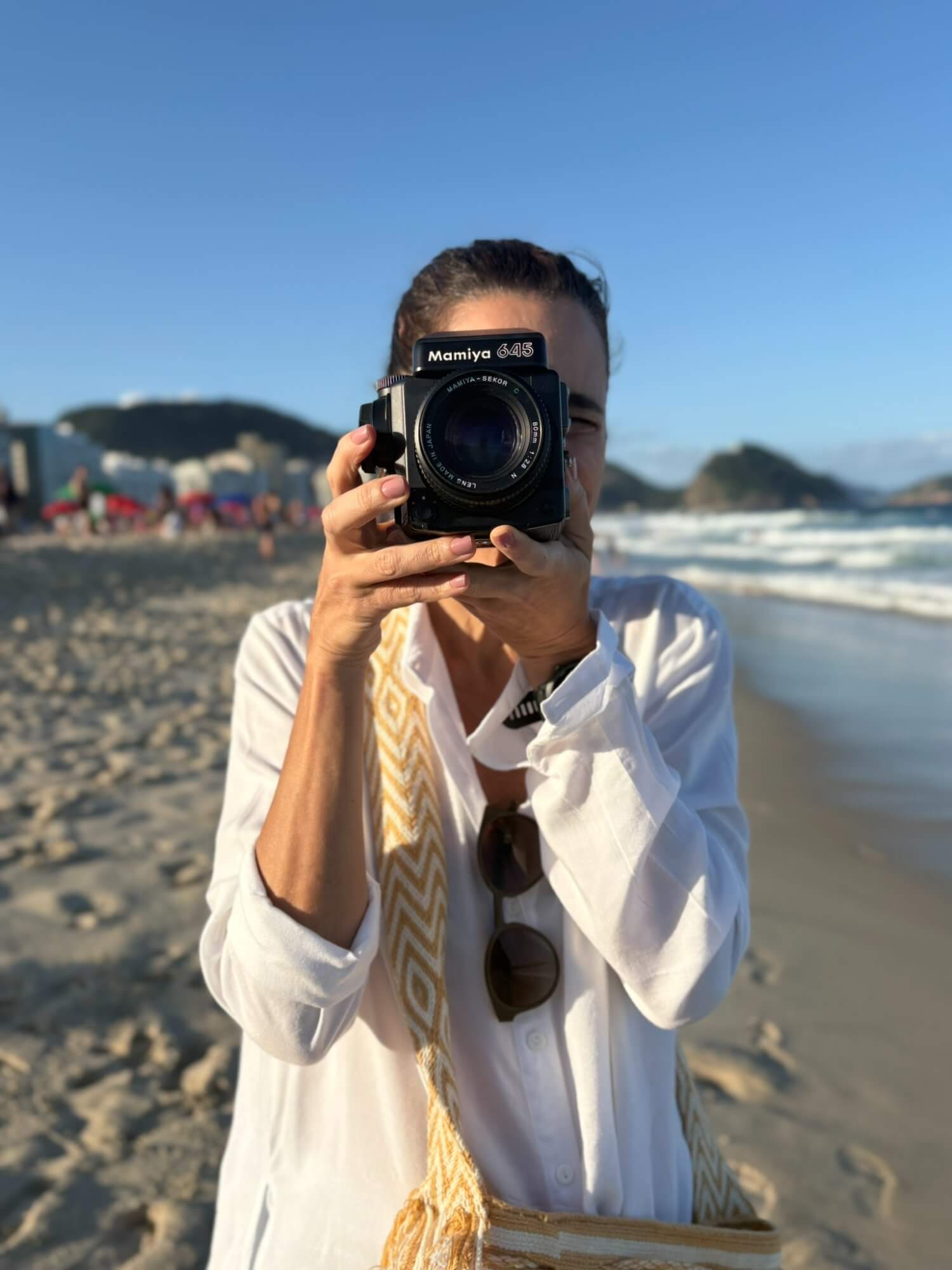
Fotógrafa brasileira, baseada no Rio de Janeiro, com mais de duas décadas de atuação profissional.
Sua pesquisa mergulha nos processos analógicos e na investigação da interrupção do tempo. Seu trabalho nasce do gesto de fotografar sem pré-visualização, aceitando o destino da imagem que só se revela a posteriori.
Utilizando câmeras antigas, filmes vencidos, múltiplas exposições e processos experimentais, a artista incorpora o erro, o acaso e as instabilidades do material como partes indissociáveis da obra.
Na produção atual de Daniela, fotografar é o ato de desacelerar o tempo e aceitar, com todas as suas nuances e ruídos, aquilo que permanece.
Brazilian photographer based in Rio de Janeiro, with over two decades of professional practice.
Her research delves into analog processes and the investigation of time’s interruption. Her work is born from the gesture of photographing without pre-visualization, accepting the fate of the image that only reveals itself afterwards.
Using vintage cameras, expired films, multiple exposures, and experimental processes, the artist incorporates error, chance, and material instabilities as inseparable parts of the work.
In Daniela’s current practice, to photograph is the act of slowing down time and accepting — with all its nuances and noise — what remains.
Para aquisição de obras, encomendas, exposições ou qualquer outra questão, entre em contato.For acquisitions, commissions, exhibitions or any other inquiry, get in touch.